Street Parking Meters
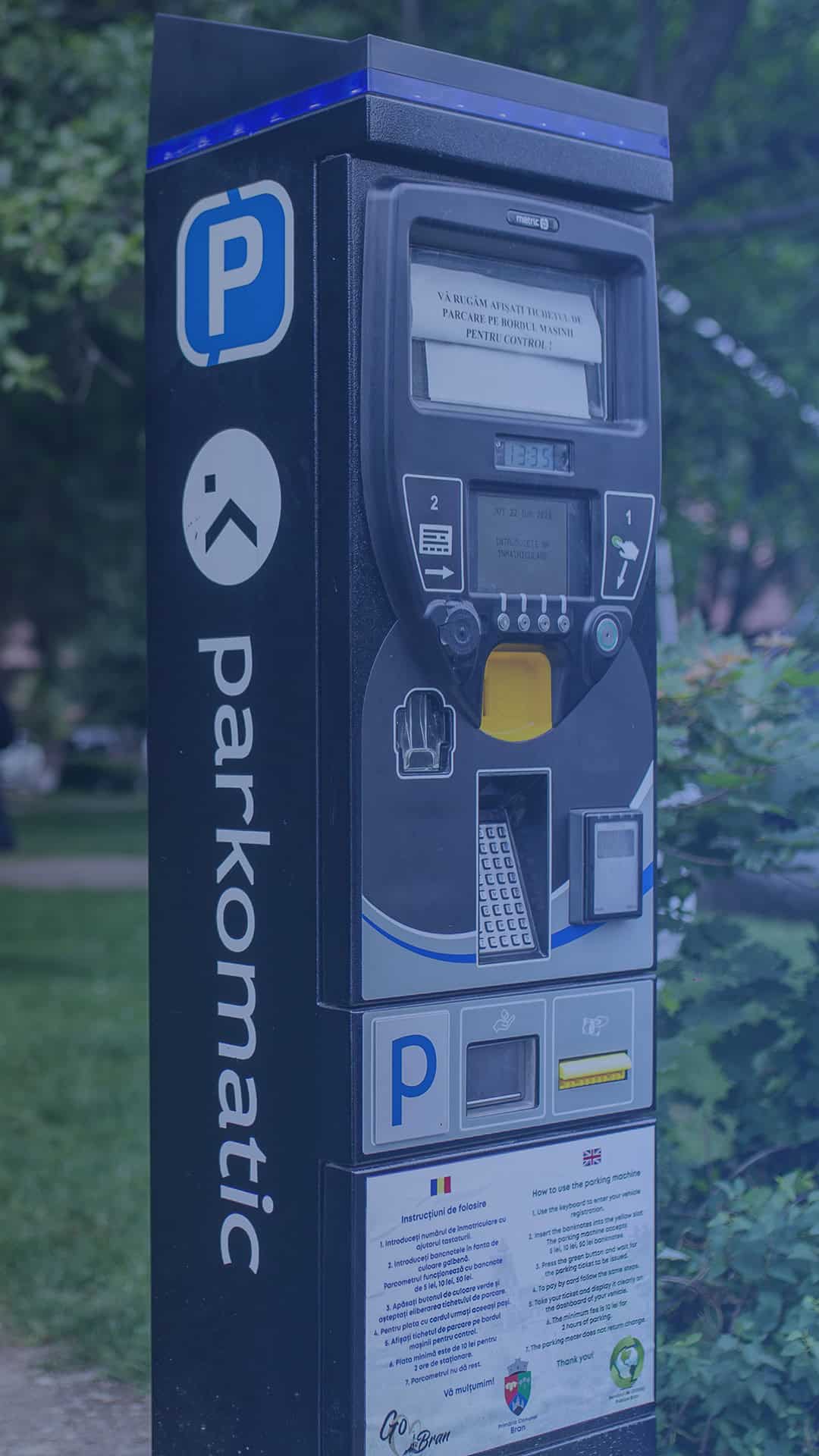
Street Parking Meters
Specifications
KADRA street parking meters are autonomous payment terminals designed for efficient management of on-street public parking. These solutions contribute to increasing user compliance, streamlining traffic, and generating revenue in an automated and efficient manner.
Why Street Parking Meters
They are easy to use, safe, and versatile. They ensure quick payment, operate independently or in a network, and can be powered by solar energy – ideal for modern cities.
Connectivity and Centralized Control
They can be integrated into management platforms for configuration, monitoring, and real-time reporting.
Various Payment Methods
Accept cash, bank cards, and mobile applications, in flexible ways: Pay Display, Pay-by-Plate, or Pay-by-Space.
Service and Maintenance
To ensure the continuous and reliable operation of parking meters, KADRA provides complete service and maintenance services. These include rapid interventions in case of malfunctions, periodic inspections, replacement of worn components, software updates and specialized technical support.
Parking meters can be monitored remotely, and the automatic alert system enables quick identification and resolution of any issues, minimizing downtime. Read more about service and maintenance for on-street parking meters on the service and maintenance page.
Areas of use
Public Street Parking
Optimization of urban space and efficient control of car flow in crowded areas.
Public Institutions, Hospitals, Campuses
Enhanced accessibility and secure parking management for staff and visitors.
Tourist Areas
Comfort for visitors and parking control in spaces with increased seasonal traffic.
Airports, Train Stations, Logistics Centers
Fast and reliable solutions for areas with heavy traffic and strict security requirements.
References

Our Promise
6 commitments we undertake in every project, fully aligned with our values.
Complete
Vision.
We manage projects with a 360° approach.
Turnkey
Solutions.
We customize each project based on requirements and budget.
Proven
Expertise.
30 years of know-how for successful projects.
Value of
Innovation.
Advanced technology from top European suppliers.
Fast and
Flexible.
We adapt and deliver efficiently in every project.
Power of
a Group.
Part of EMI Group, European leader in access.


Price
Because our clients’ needs are unique, and the KADRA team aims to provide products at the highest quality standards, the price will be determined after completing the form below. Based on the answers provided, our professionals will create a personalized price offer. Complete the form below!
Contact Us Here
Click to Display the Form
Frequently asked questions
What is an on-street parking meter?
An on-street parking meter is a payment terminal used to manage on-street public parking. It enables the automatic collection of parking fees and monitoring of parking space usage in a given area.
What payment methods can an on-street parking meter accept?
On-street parking meters can accept cash, bank cards and payments via mobile apps. The exact configuration depends on the chosen model and the parking operator’s requirements.
What is the difference between Pay & Display, Pay-by-Plate and Pay-by-Space?
Pay & Display involves displaying a ticket in the vehicle, Pay-by-Plate links the payment to the license plate number, and Pay-by-Space identifies the parking space used. All three methods enable automated parking management, but the level of control and the verification method differ.
Can parking meters be monitored remotely?
Yes. Modern parking meters can be connected to a centralized platform that enables operational monitoring, tariff configuration and real-time reporting on revenue and parking usage.
Do parking meters work in locations without easy access to the power grid?
Yes. Some models can be powered by solar energy, allowing installation in areas where connecting to the power grid is difficult or costly.
Where are on-street parking meters most commonly used?
On-street parking meters are used in urban public parking areas, tourist zones, hospitals, campuses, train stations, airports and other locations where efficient on-street parking management is required.
How long does it take to install an on-street parking meter?
Installing a parking meter usually takes between a few hours and one business day, depending on the existing infrastructure, power supply and integration with the management platforms used.
What maintenance operations does an on-street parking meter require?
Maintenance includes periodic checks, software updates, cleaning components, checking payment systems and replacing worn parts. Remote monitoring enables quick identification of potential issues and reduces downtime.
Didn't find what you were looking for? Search below!