Hospital Door Service
Rapid Interventions, Audit, and Maintenance
Rapid interventions, technical audit, and maintenance for medical doors
Nationwide service for automatic and manual hospital doors. In-house teams, multi-brand diagnostics, and repairs adapted to each door’s function, from ward access to operating rooms and radiology.

Why you need hospital door service
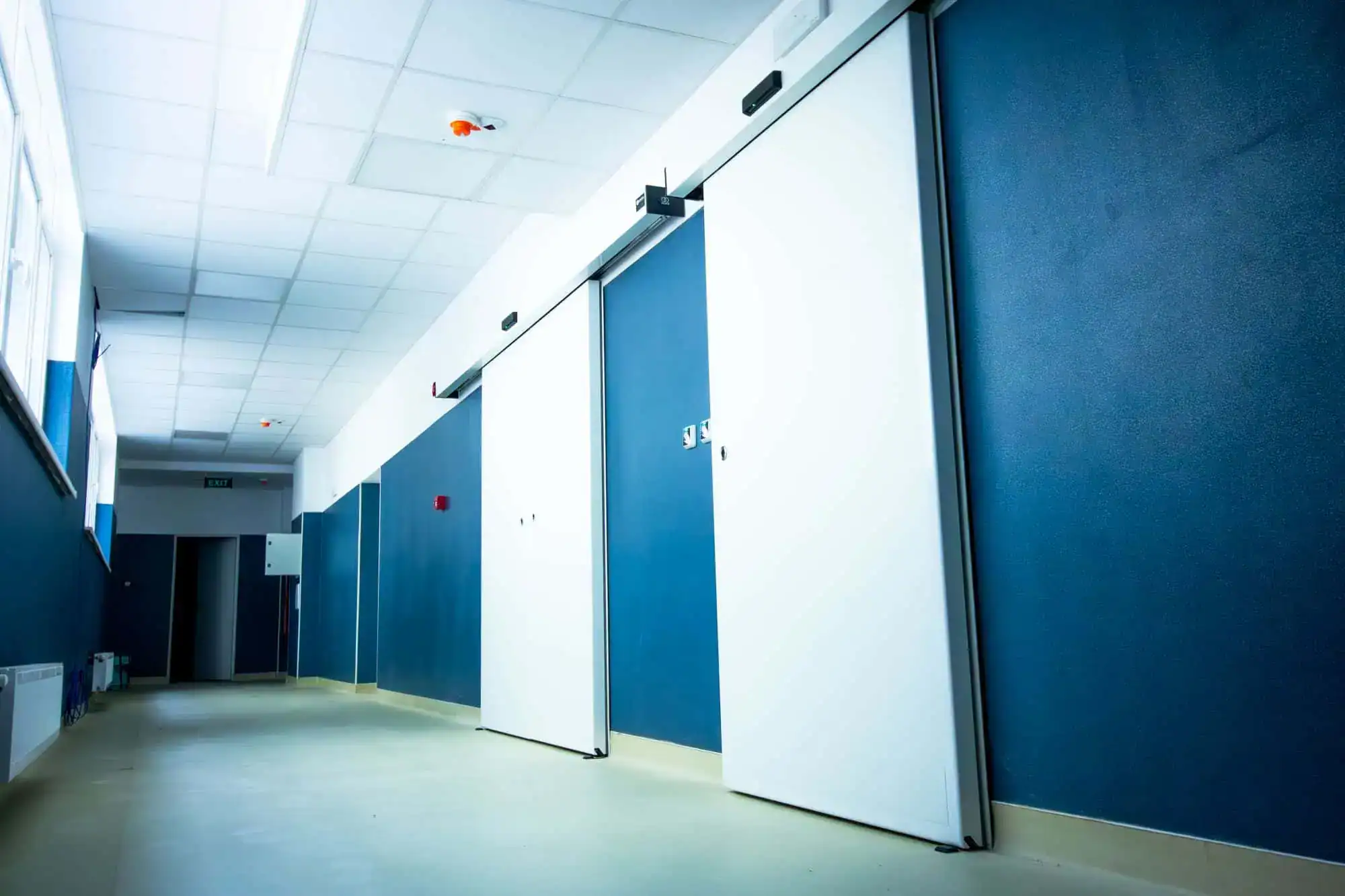
A blocked medical door can delay patient transfer, stretcher access, or a department’s activity. A hermetic door that doesn’t close correctly no longer provides the sealing it was designed for. In radiology, a door malfunction can affect access to and use of the room under the conditions specified in the project.
Hospital door service includes diagnostics, adjustments, repairs, and safety function checks. Preventive maintenance adds scheduled revisions to identify wear before blockages occur. Checks differ by equipment: a ward door, a hermetic door, and a radiation-protected door have distinct components and functions.
KADRA Service operates nationwide for hospitals, clinics, and medical centers. We serve hospitals in Bucharest and Cluj-Napoca, medical clinics in Iași or Timișoara, and various public or private medical facilities in Constanța and Brașov. We plan work together with the client’s technical team, according to department schedules and facility access rules.
We work with TORMED medical doors, our own range developed by KADRA specifically for hospitals, and with equipment installed by other suppliers, based on technical evaluation. For administrators of multiple buildings or a network of clinics, this means a single partner for equipment maintenance across different locations.
5 signs that your hospital door is not functioning properly

1. The door moves slowly, jerkily, or gets stuck
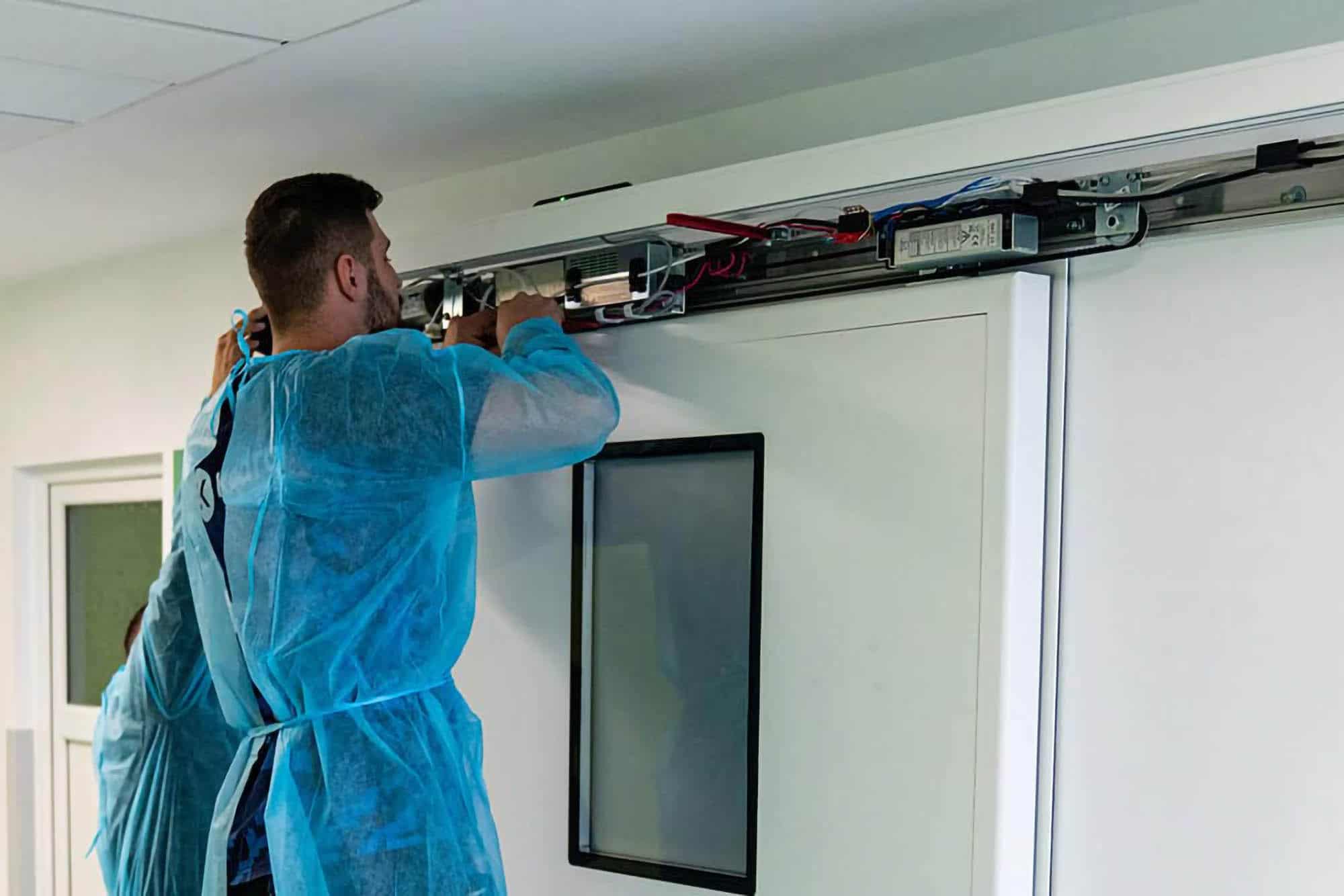
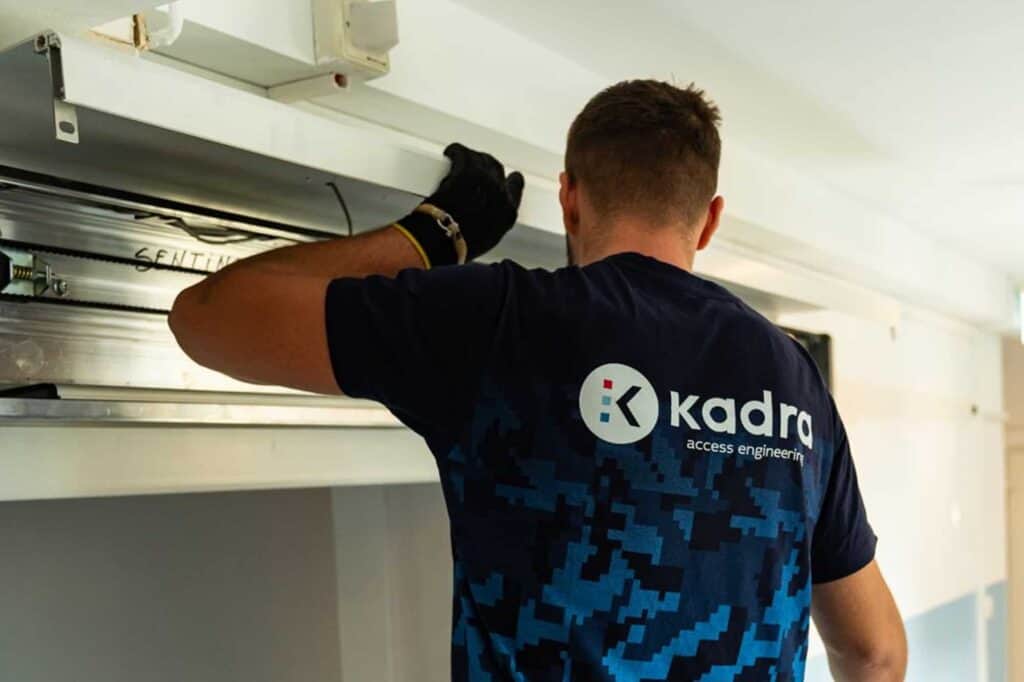
Movement that is slower than usual, jerky, or interrupted warrants checking the operator and mechanism. For automatic sliding doors, the technician inspects the rollers, track, guides, and drive belt, then verifies operating parameters.

2. The hermetic door does not close completely
A visible gap between the leaf and frame or damaged seals justifies a check. The technician examines alignment, the condition of the sealing gaskets, and the mechanism that brings the leaf into the closed position. For TORMED ER doors, the check includes the closing and lowering movement of the leaf, specific to hermetic sealing.

3. Touchless control responds slowly or the door reopens
A touchless sensor that reacts late, a non-functional foot switch, or repeated re-openings require diagnosis of the controls and automation. The activation sensor requests opening, and the presence sensor helps protect people in the movement area. Adjustments are made after identifying the cause.
4. Noises, friction, or increased effort needed to open
Squeaking, hitting the frame, or difficulty operating a manual door can indicate wear or misalignment. Hinges, hardware, locks, and door closers are checked, depending on the configuration. For radiology doors, the weight of the leaf makes checking the support and rolling mechanism important.

5. Door locking or interlock functions incorrectly
A door that does not unlock with authorized command or doors that no longer follow the configured sequence require checking the control system. In an airlock, interlocking coordinates door opening to separate spaces. Locks, position contacts, and associated controls are checked.

Act quickly, reduce repair costs
If you observe these symptoms, request a technical check and inform the unit manager. Temporary access management is done according to hospital procedures and equipment instructions, without forcing the door leaf or deactivating protections.
Hospital Door Services
We determine the work based on the door type, intensity of use, and its role in the medical circuit. Interventions are coordinated with the client, including working hours and hygiene and access rules.

Technical
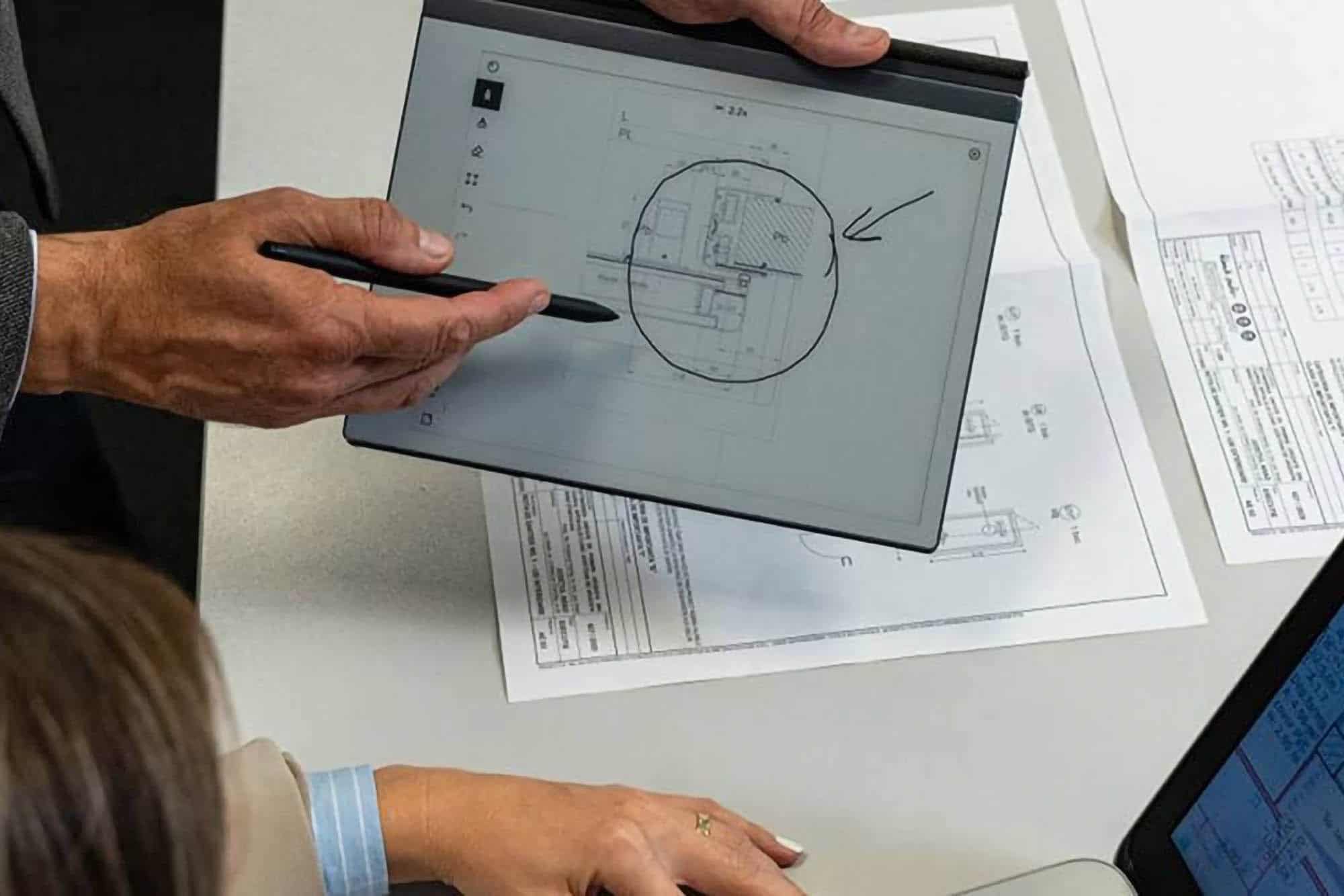
Audit
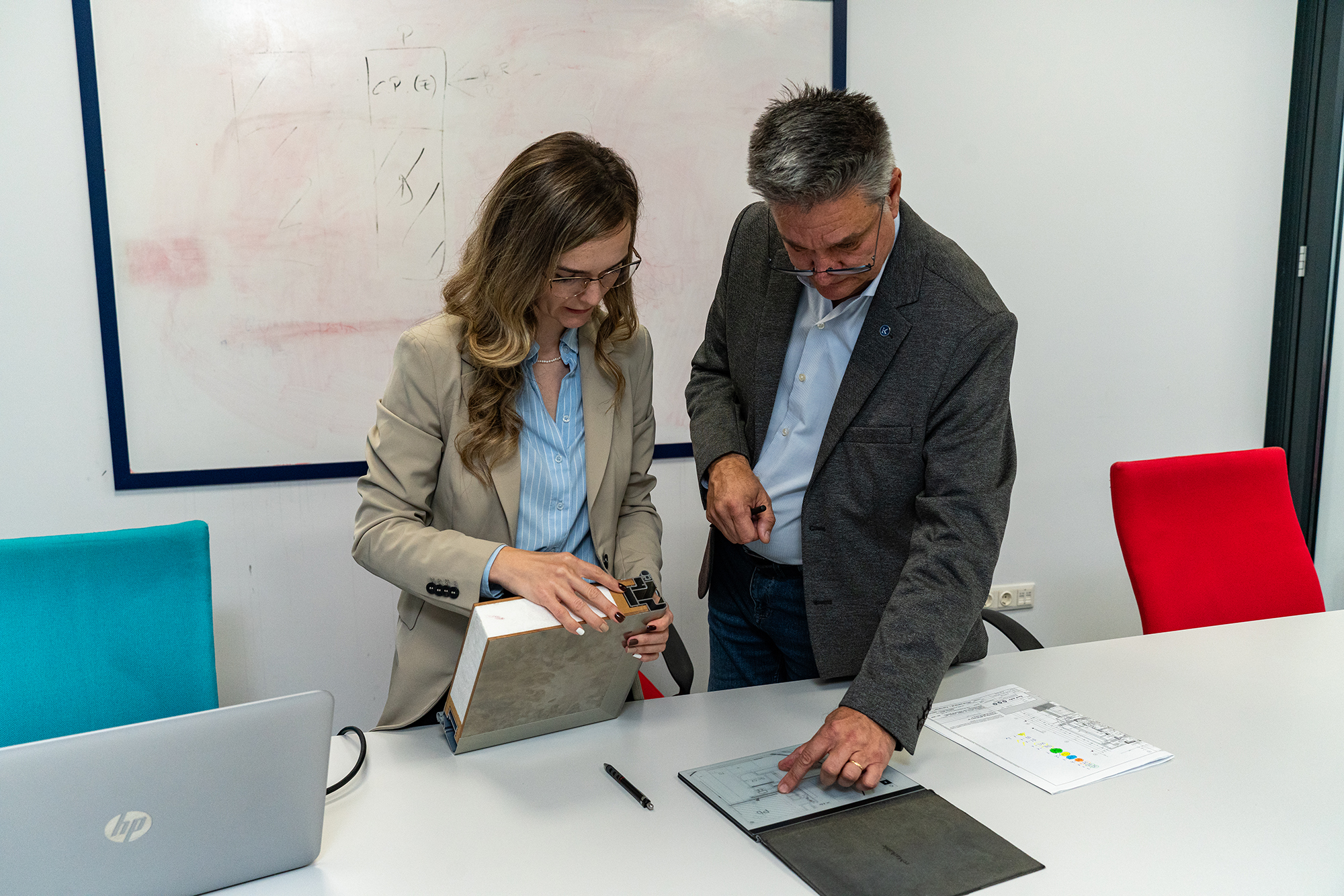
We identify doors and check mechanical components, automation, controls, and safety functions. For hermetic doors, we examine seals and complete closure.
You receive a technical report, recommendations, and an estimated quote to prioritize repairs and plan your maintenance budget.
Maintenance subscriptions
We plan revisions, checks, and adjustments based on usage. The package is determined after evaluating the doors and traffic in the facility.
CARE, PLUS, and TOTAL subscriptions include one, two, or four annual revisions. The package for the medical unit is determined after evaluating the doors and traffic.

Rapid
interventions
We handle requests for blocked medical doors, incomplete closure, or abnormal operation. Specify the affected department, and the impact on patients or staff.
We prioritize by urgency and contractual conditions, then perform diagnostics and check equipment functions. Do not force the door until the team arrives.

Repairs and Spare Parts
We replace seals, rollers, guides, hardware, sensors, operators, and control components. For fire-resistant doors, we adhere to the documented configuration.
Local spare parts stocks support interventions, and their availability influences the repair timeline. The compatibility of each part is verified before installation.
Types of hospital doors serviced
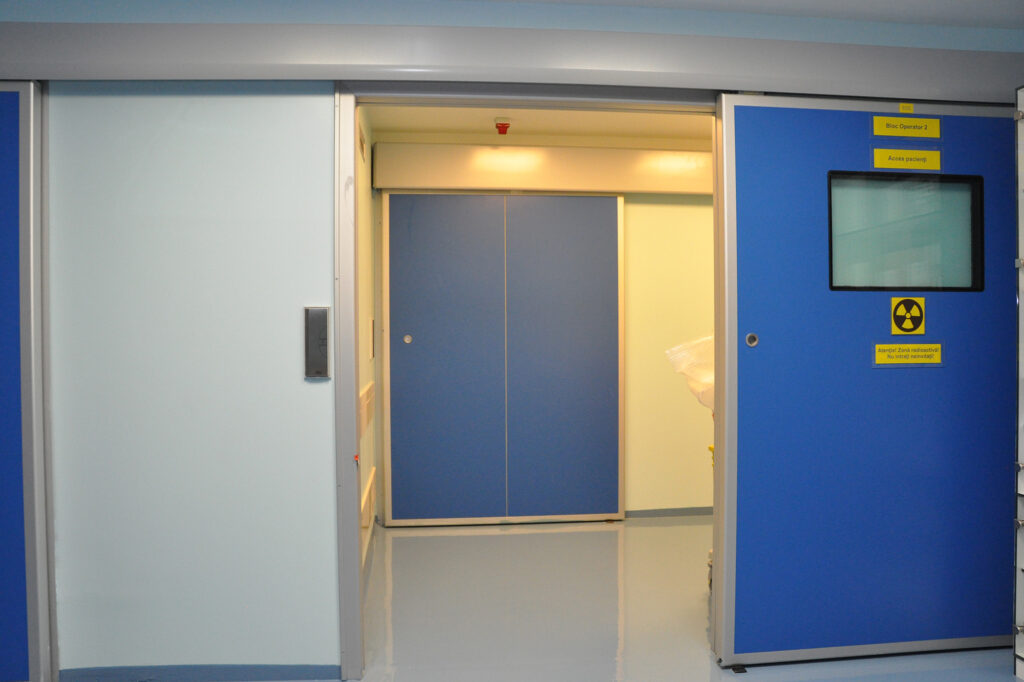
We provide service and maintenance for automatic and manual medical doors used in wards, operating rooms, ICUs, radiology, and access areas. Checks are adapted to each equipment’s documentation.
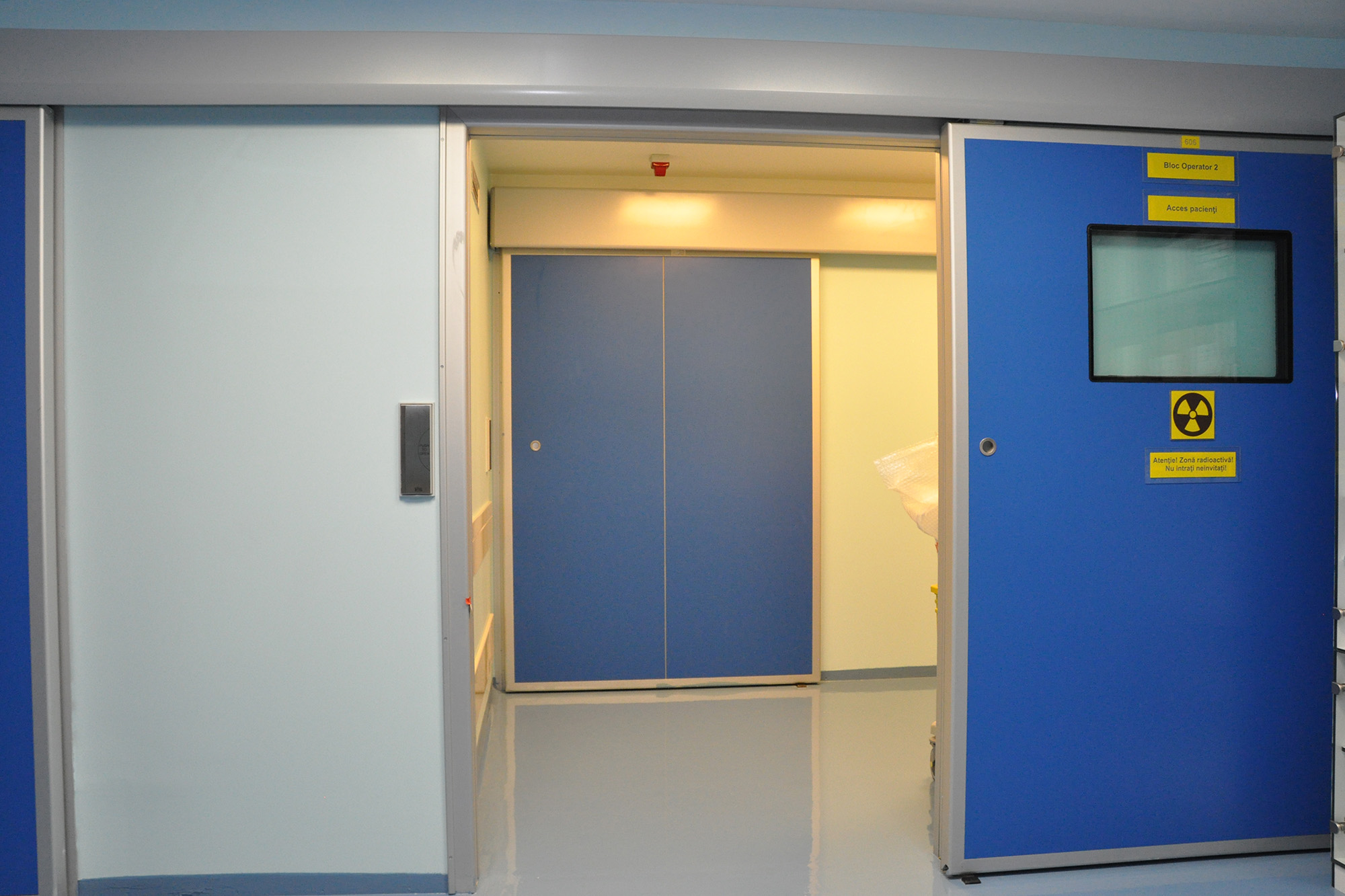
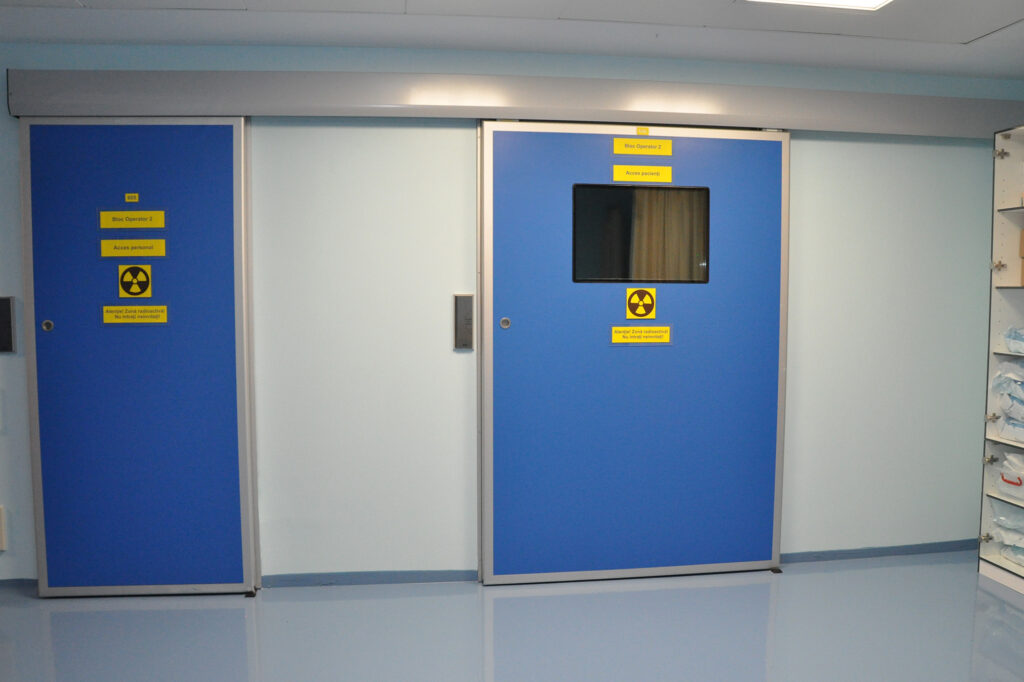
For hermetic and semi-hermetic doors, we monitor the closing mechanism and seals, according to the model. For doors with shielding for RX or CT radiology, we check mechanical operation and the visible condition of the assembly; specialized radiation protection checks of the room have a distinct purpose. Contactless controls, access control, and integration with the building management system (BMS) are checked where they are part of the installed configuration.
Why KADRA
30+ years of experience
Over 30 years of experience, from designing and integrating access systems to installation and service, for recommendations that consider the equipment and its use.
National coverage
National coverage, for managing maintenance services in multiple locations with the same partner.
Multi-brand service
Multi-brand expertise, including for equipment installed by other suppliers, for simpler management of a diverse door portfolio.
In-house teams, not subcontractors
In-house teams of technicians and local spare parts stocks, for diagnostics and interventions under the conditions established for equipment, location, and contract.
Complete reporting after each intervention
Technical reports and documented recommendations for prioritizing work and planning the maintenance budget.
The power of a group — part of EMI Group
Part of EMI Group, with international activity in access systems.
How our process works
A simple and transparent process, from first contact to completion of the intervention. You know exactly what’s coming next, who’s in charge, and what you’re getting — no ambiguities, no hidden costs.
You call us or send a request. Mention the location, department, door model, symptom, and any error code. A photo of the label can help with the initial assessment. Specify if the blockage affects patient access, stretcher transfer, or the activity of a medical room.
The technician checks the mechanism, controls, and specific door functions. They identify the problem and document the equipment's condition. We establish access and work execution conditions together with the unit manager.
You receive the technical solution, necessary work and parts, costs, and proposed timeline. This takes into account the door configuration, component availability, and working intervals agreed upon with the client.
We perform the work, adjust, and test the equipment. Finally, you receive the technical report and maintenance recommendations. The intervention history helps track wear and plan work for each door.
Standards and Compliance
All our interventions comply with European and national safety standards. Adhering to these standards is not just a formality, but a guarantee that your door protects, rather than endangers, those who use it.
EN 16005
The European reference standard for the safe use of automatic pedestrian doors. For relevant automated medical doors, presence detection, protection of movement areas, and safety functions are checked, according to configuration. The scope of this standard does not cover all types of doors in a hospital.
P118
For doors with a role in
compartmentation or evacuation, checks are correlated with the project, fire safety scenario, and applicable building regulations. For fire-resistant doors, the integrity of the assembly, seals, self-closing mechanism, and correct closure are monitored, according to product documentation.
NP 015 and requirements for hospital constructions
Standard NP 015-2022 concerns hospital constructions. For replacement or modernization works, the choice of solution is correlated with the project and the requirements of the medical space. The service report documents the checks performed on the door.
Trust built in the field
Our results are visible in every intervention and in long-term customer relationships. Work volumes, response times and direct feedback from the field reflect the real level of KADRA Service.
400.000
km traveled annually
2
centers of expertise
+20.000
hours of interventions
+ 3000
active equipment
References
KADRA’s experience in installing and integrating medical doors can be seen in projects with different access requirements:
Resources on hospital door service
Articles and case studies to help you make the right decision for hospital door maintenance.
Frequently asked questions
How often should hospital doors be maintained?
Frequency is determined by manufacturer instructions, door type, and traffic. KADRA recommends at least one annual revision and checks every six months in heavily used areas, such as the ER, operating room, or main corridors. Technical evaluation may indicate a more frequent schedule.
What is the difference between maintenance and service intervention?
Preventive maintenance involves planned checks and adjustments. Corrective intervention resolves an already existing malfunction through diagnostics, repairs, and door testing. The two services complement each other throughout the equipment’s operational life.
Do you service medical doors installed by other suppliers?
Yes, KADRA Service offers multi-brand interventions for automatic and manual medical doors, based on technical evaluation. The solution depends on the model, documentation, compatibility and availability of parts, and the door’s special functions.
What does a hospital door service contract include?
The offer specifies the covered equipment, number of revisions, reporting, response and intervention conditions, and included services for parts or labor. Planning is adapted to medical circuits, intensity of use, and working intervals agreed upon with the unit.
How long does an emergency intervention take?
The timeline depends on urgency, location, and contractual conditions. The duration of the repair depends on the malfunction, access to equipment, and necessary parts. Response time, arrival at the location, and re-commissioning are distinct stages.
What does a technical audit of medical doors include?
The audit includes identifying doors and checking relevant components, controls, and functions: sealing, automation, locking, or self-closing, depending on the model. You receive a technical report, recommendations, and an estimated quote to prioritize repairs and revisions.
What do I do if the hospital door doesn't open or close?
Inform the unit’s technical manager and contact service. Provide the department, symptom, and error code, if any. Only check elements permitted by the user manual. Do not force the door leaf or disable sensors, locks, or interlocks to continue use.
How much does hospital door service cost?
Cost depends on door type, malfunction, labor, parts, and location. For maintenance, the number of equipment units, special functions, and revision frequency also matter. The offer is determined after evaluation, specifying the necessary work.
Other equipment serviced
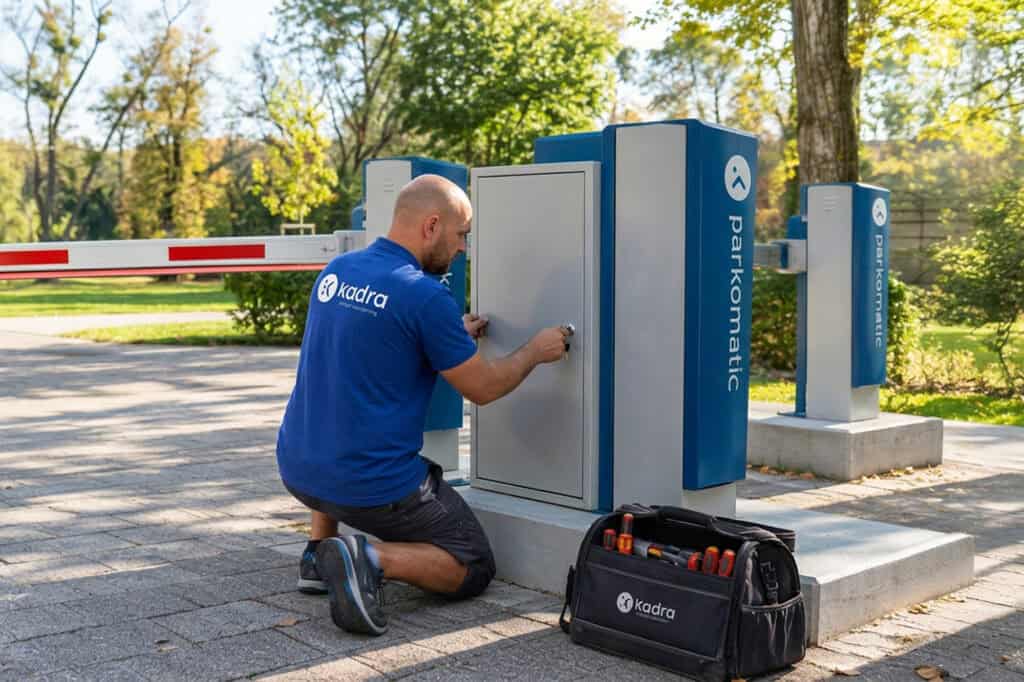
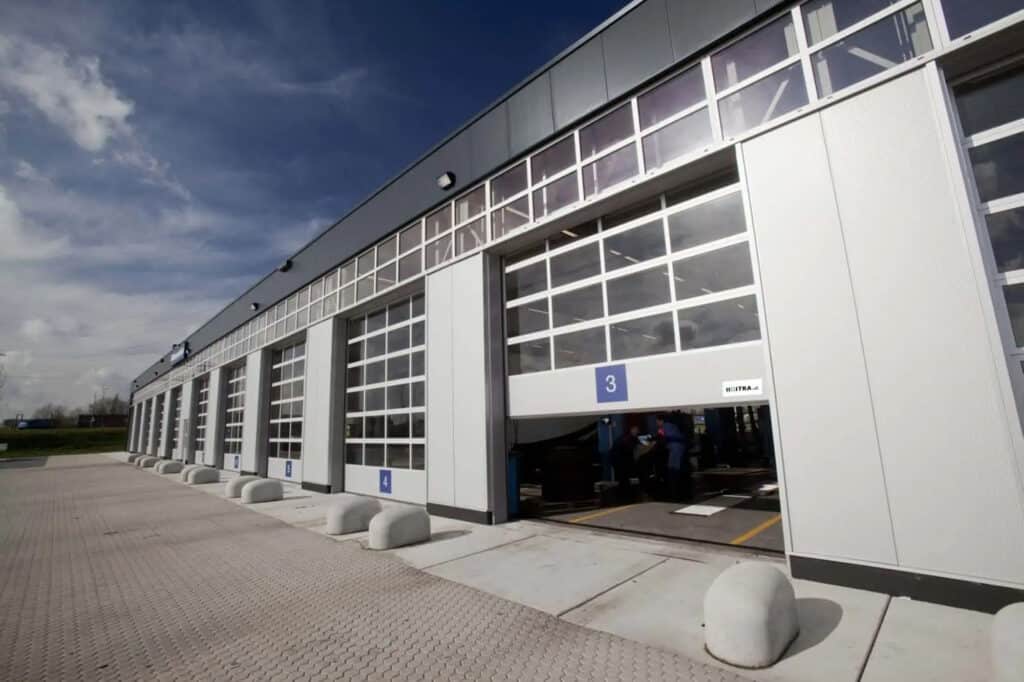
KADRA Service also offers service and maintenance for automatic pedestrian doors, turnstiles, high-speed doors, automatic gates and barriers, and Parkomatic parking systems. The portfolio also includes fire-resistant doors and curtains, as well as smoke ventilation equipment. Services are determined after identifying the equipment and its technical requirements.
Contact us
Do you have hospital doors that need attention?
Is the door blocked, not sealing, or functioning abnormally? Request an intervention and provide the location, department, equipment type, and observed problem.
Do you want to plan maintenance for a hospital or a network of clinics? Start with a KADRA technical audit. Find out what needs attention, what work can be planned, and what should be budgeted.