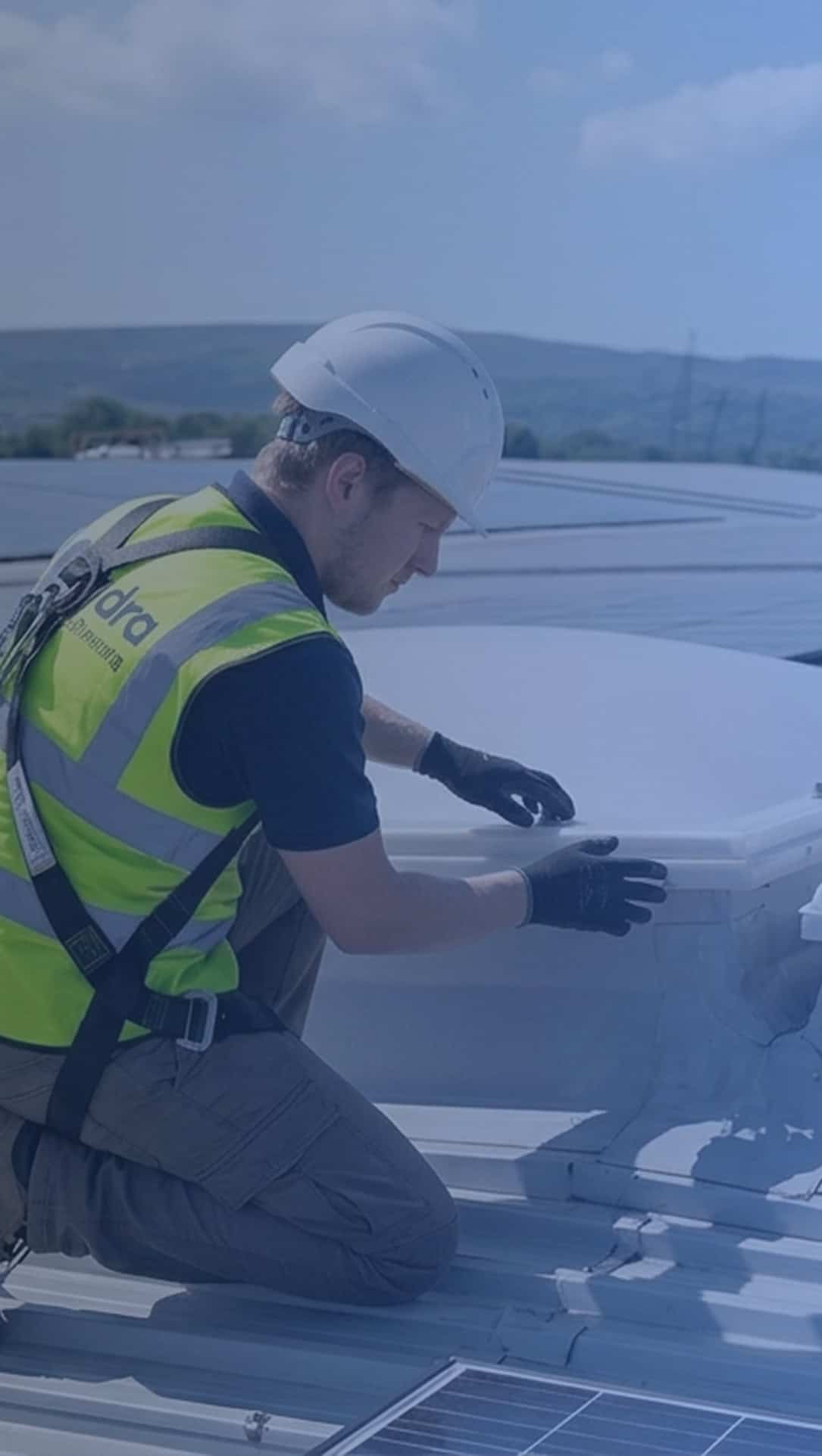
Smoke vent service

Fast response, audit, and maintenance

Inspections, maintenance, and repairs for electric and pneumatic smoke vents. KADRA provides service for smoke vents, from checking the opening mechanisms to testing the controls and associated components. Through technical audits, preventive maintenance, and repairs, we identify issues that could affect the system’s performance. We operate nationwide.

Why you need smoke vent service

A smoke vent can remain closed for long periods without any fault being visible. Its exterior appearance doesn’t show whether the actuator, control panel, or backup power supply will work when the system is activated.

Smoke vents are part of the natural smoke and heat exhaust system. Their operation depends on the entire assembly: the opening mechanism, controls, power source, and connections specified in the design. That’s why service includes mechanical checks and functional tests tailored to the system’s configuration.

For office buildings, industrial halls, warehouses, shopping centers, or residential complexes in Bucharest, Cluj-Napoca, Iași, Timișoara, Constanța, Brașov and across the country, maintenance helps identify problems before they affect equipment availability.

5 signs your smoke vent isn't working properly

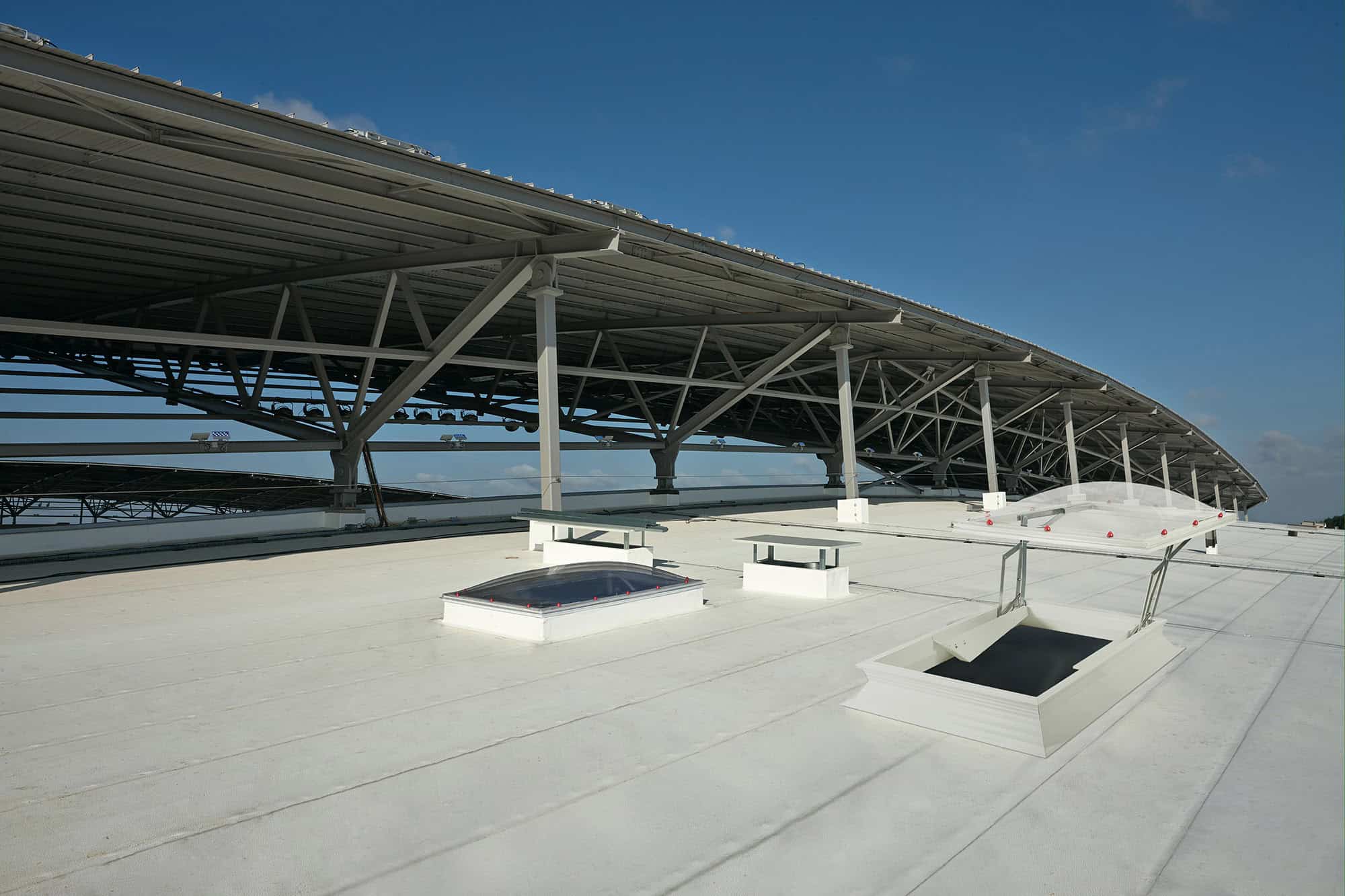
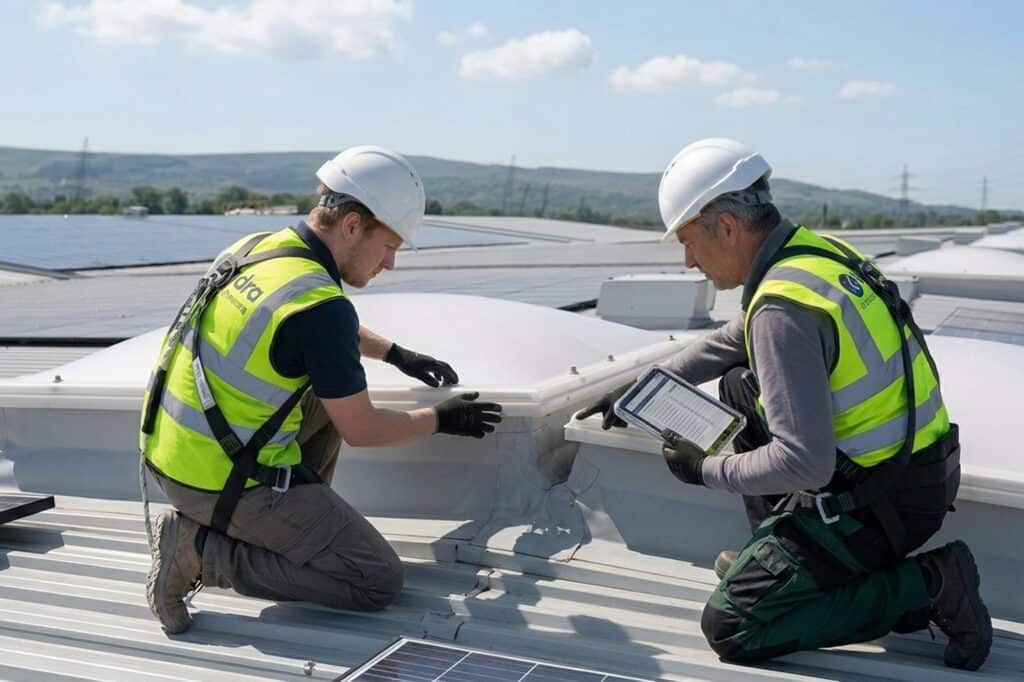
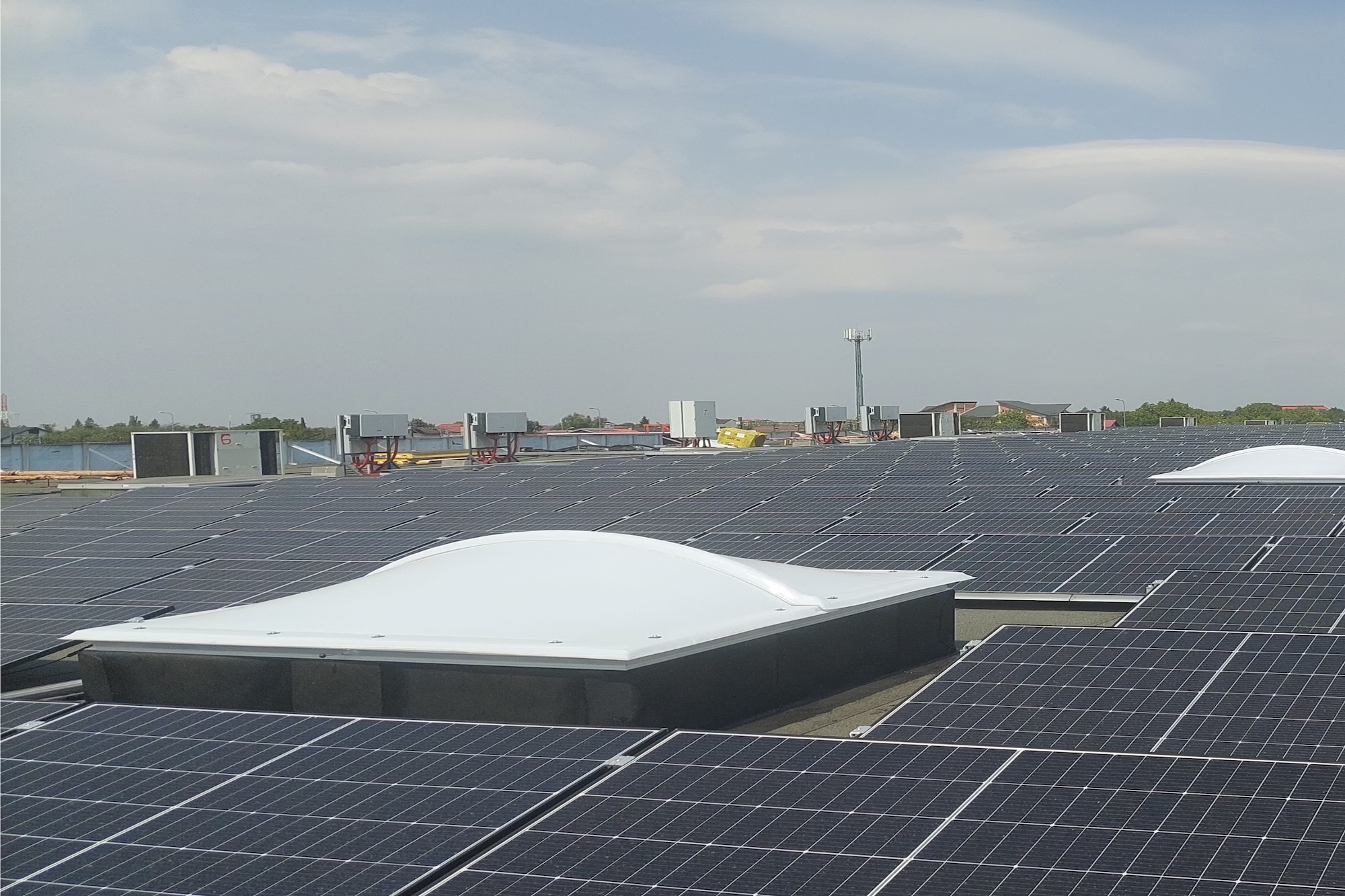
Tavan acoperit cu panouri solare și ventilații pentru eficiență energetică.

1. The vent doesn't open during the functional test

If the vent doesn't respond to the smoke extraction command during a test performed by qualified personnel, the entire drive circuit must be checked: the motor, power supply, control panel, and connections between them. The cause may be mechanical, electrical, or related to the control logic; simply replacing the motor won't fix every fault.
Servicii de desfumare pentru siguranța clădirilor și a ocupanților.

2. The opening is incomplete or movement becomes uneven

A vent that stops before reaching its intended position, moves with difficulty, or makes unusual noises needs to be checked. There may be issues with the actuator, joints, fasteners, or lifting mechanism.
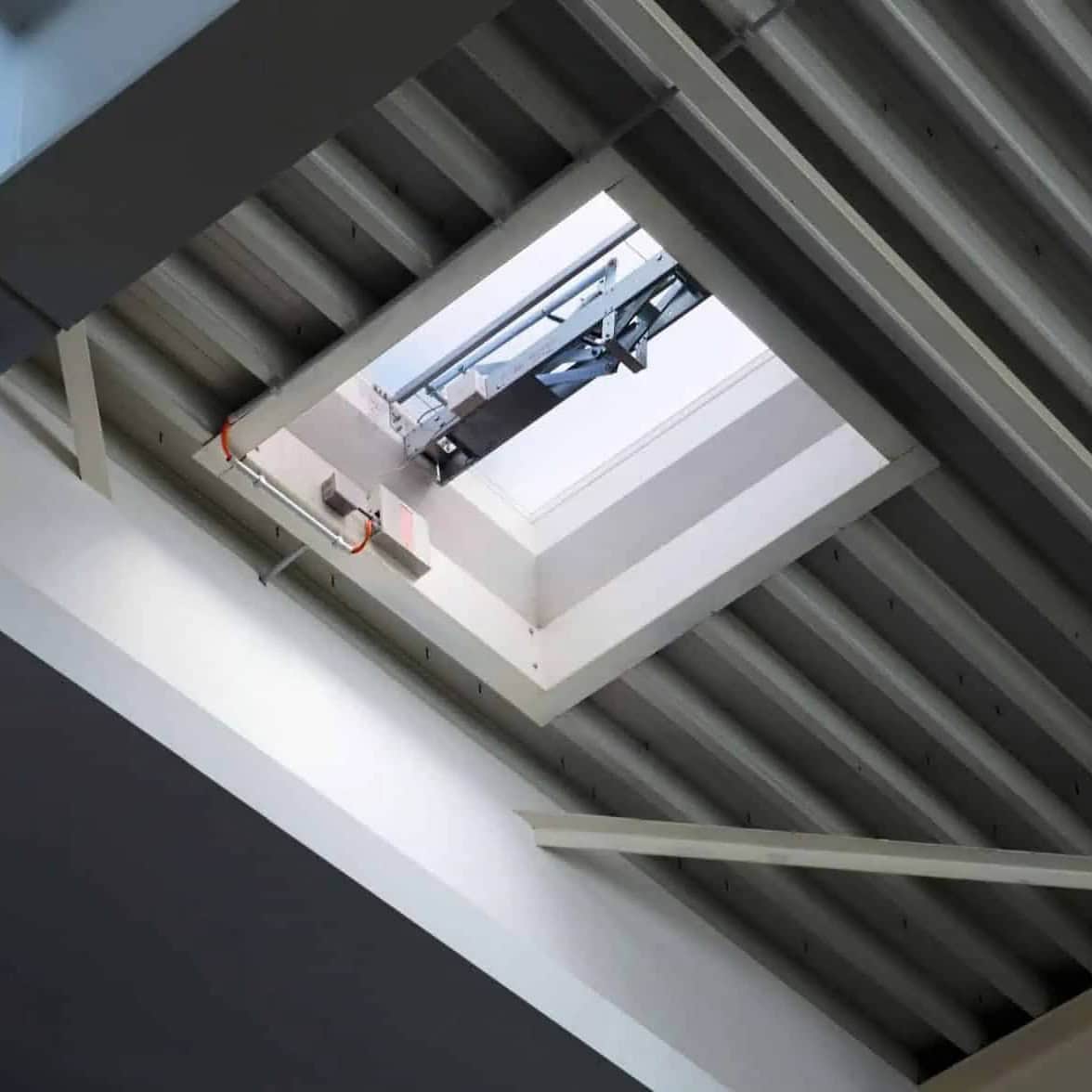
Trape de fum, KADRA Service, service trape de desfumare

3. The smoke control panel indicates a fault

Fault indicators may signal issues with power supply, batteries, connections, or drive circuits. The meaning should be determined based on the control panel's documentation and an inspection of the system. A persistent fault signal requires diagnosis, even if the vent appears to be working.
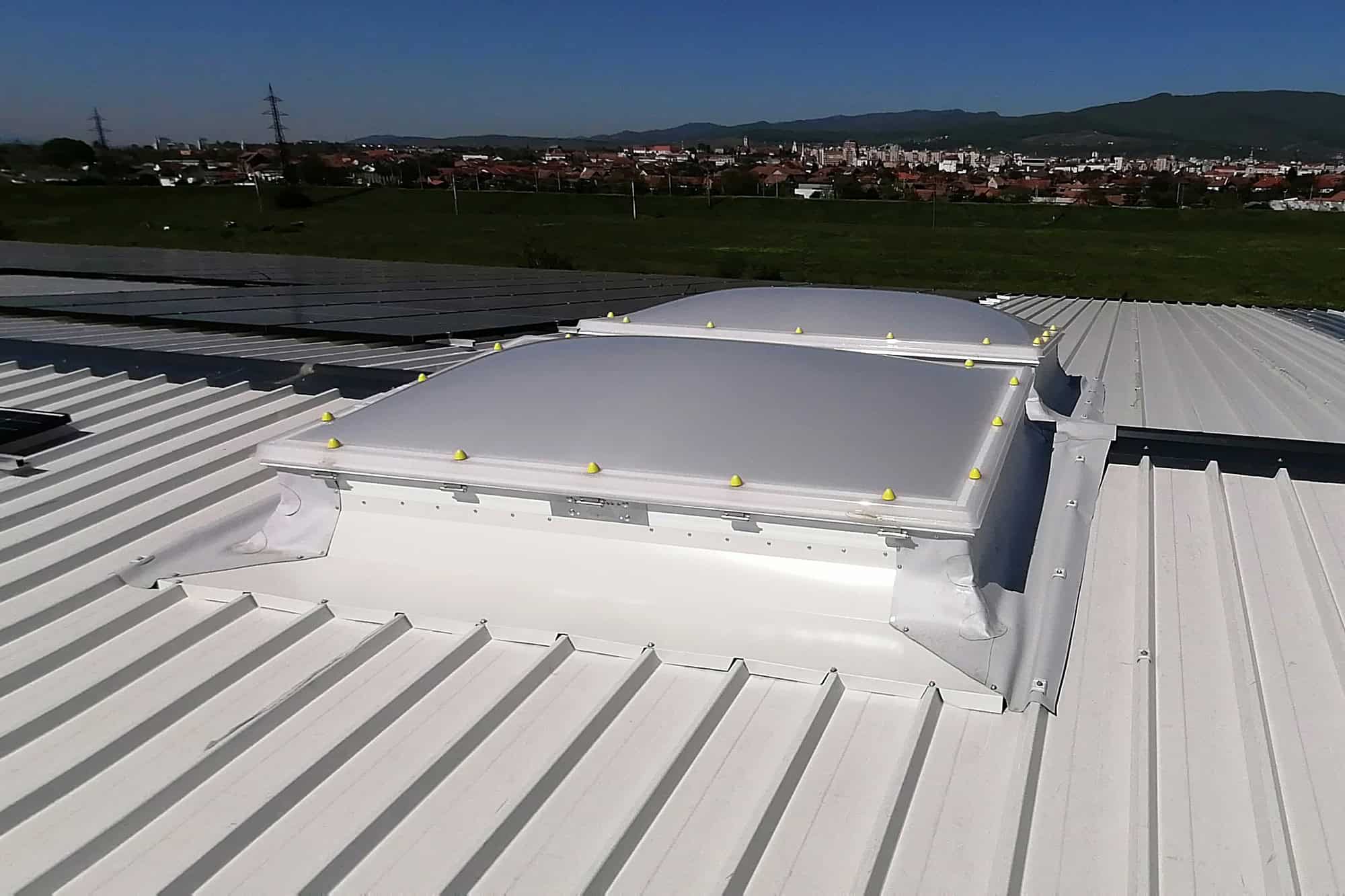
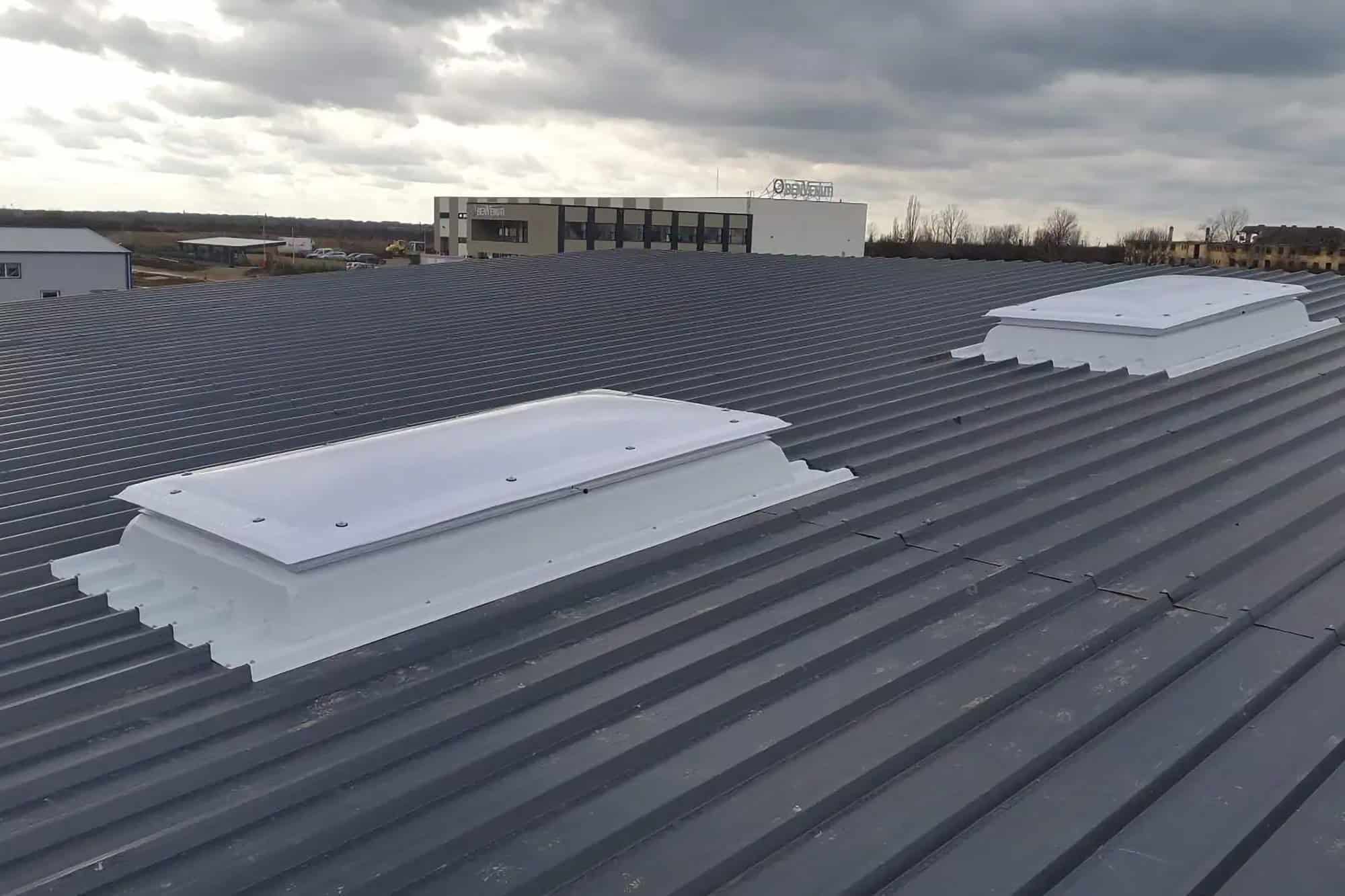
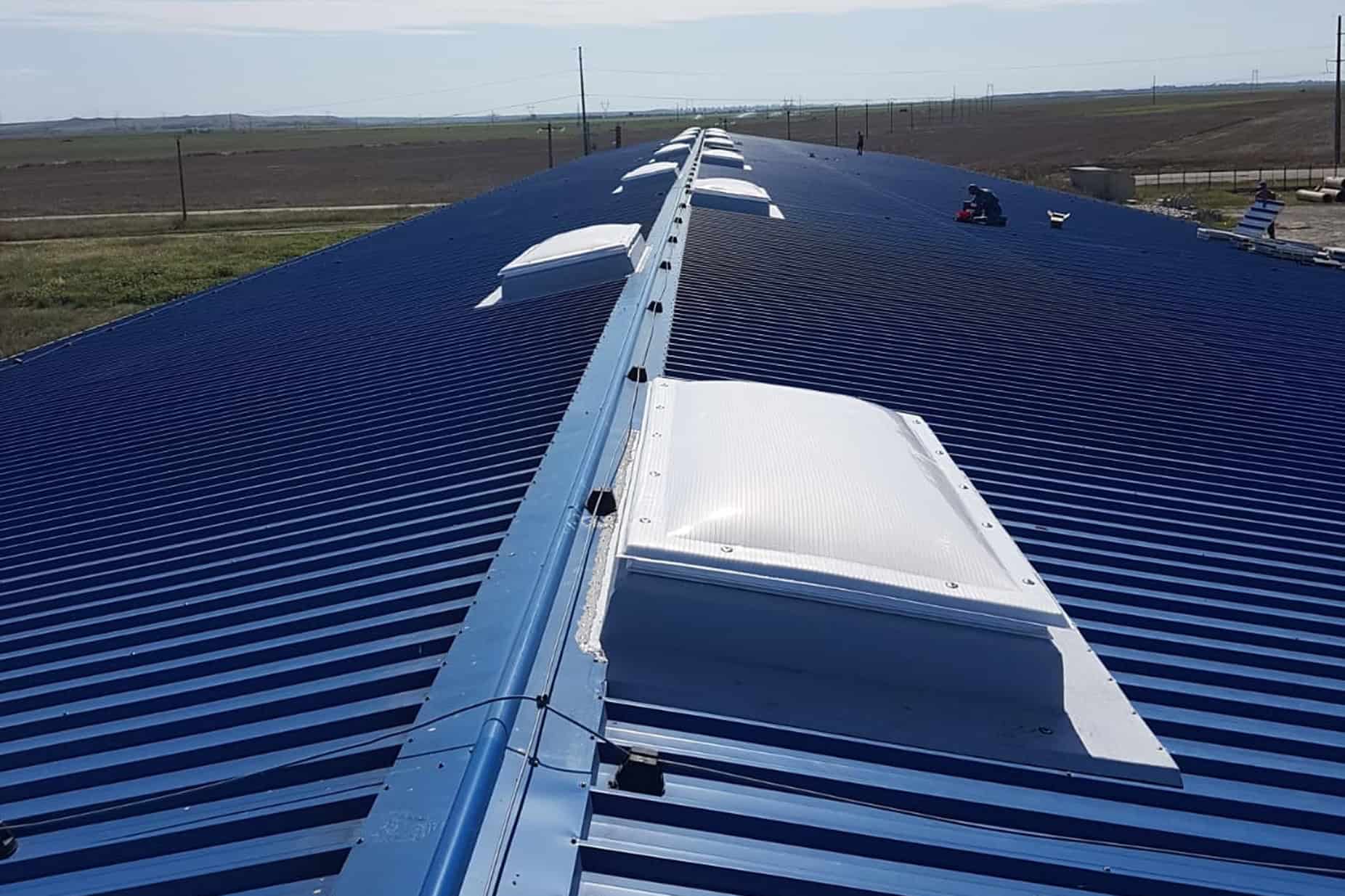
Ventilație de pe acoperiș pentru sistem de desfumare, soluție Kadra.

4. Damage, corrosion, or leaks appear

Deformation, loose fastenings, and worn seals can affect the closing and movement of the vent, reducing its seal or blocking full travel. Water marks near electrical components or damage occurring after roof work should be assessed by qualified personnel to determine the cause and the necessary work.

Elemente de construcție trape de fum

5. Issues arise when using it for ventilation

For vents also designed for daily ventilation, incomplete closing or inconsistent response to commands warrants a check. Ventilation function alone does not confirm that the smoke extraction command works: this must be tested separately, according to the system's configuration.

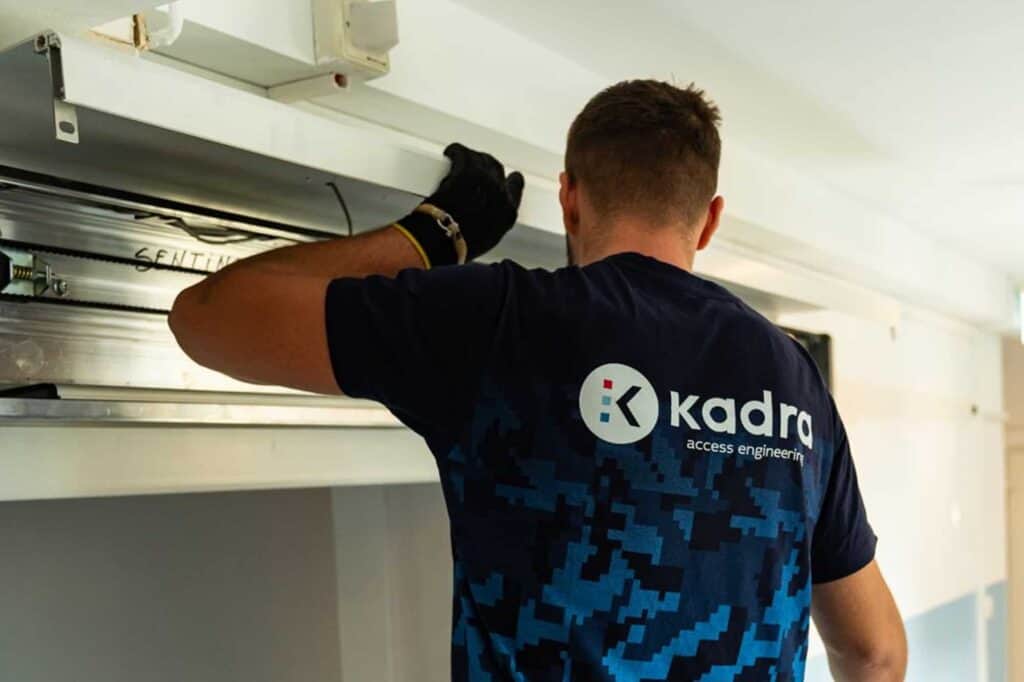
Audit tehnic, KADRA, service și mentenanță

Act quickly, reduce repair costs

Notify the building's technical manager and request an inspection. Tests must be organized with qualified personnel, without forcing the vent or modifying the control and protection devices.
Smoke vent services

KADRA, technical audit (2)

Technical
audit

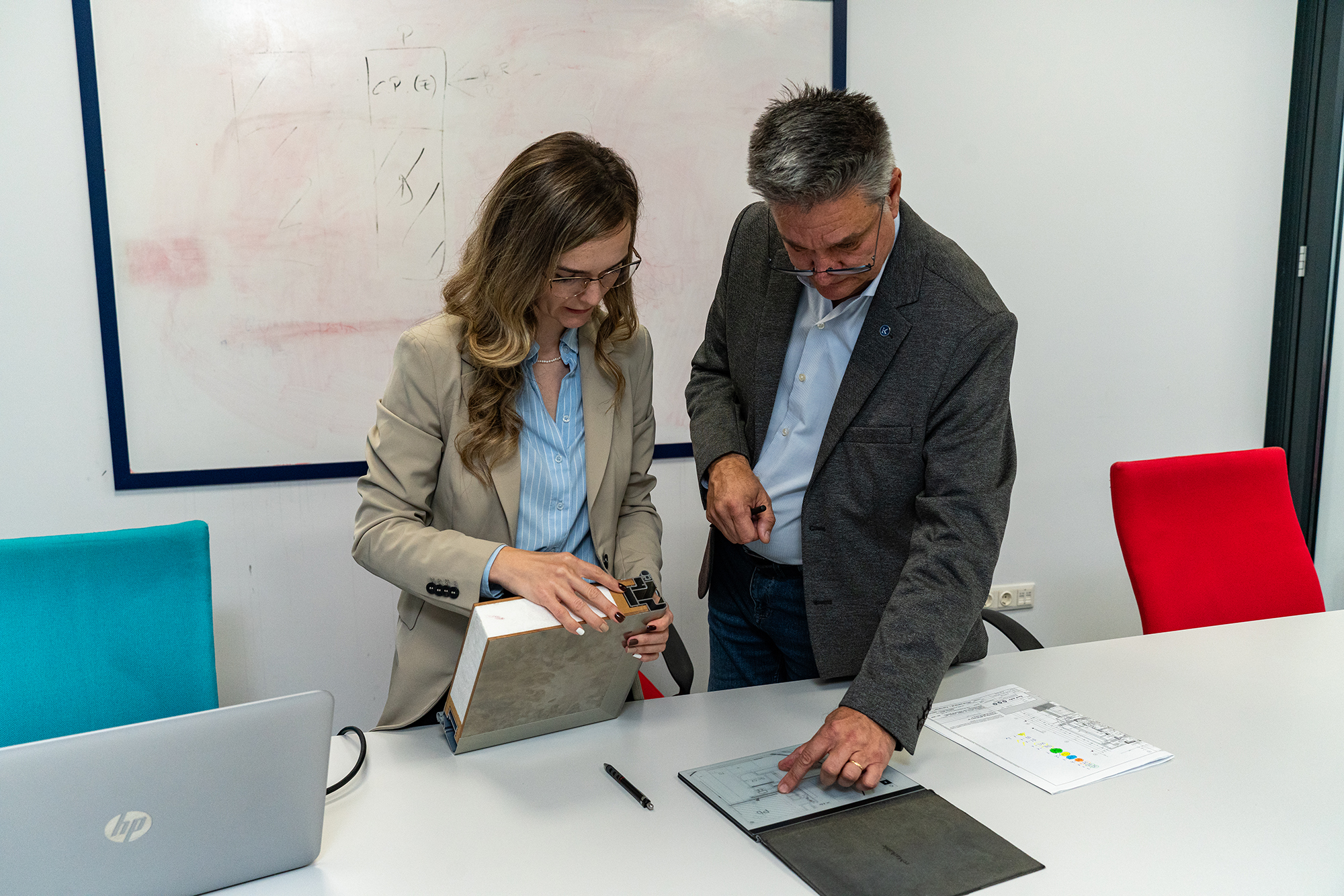
We identify the equipment and assess the condition of the mechanisms, actuators, controls, and signaling devices. We check the vents’ operation, test the controls, and review the available documentation and service history.

You receive a technical report, recommendations, and an estimated quote, to help prioritize repairs and plan maintenance.

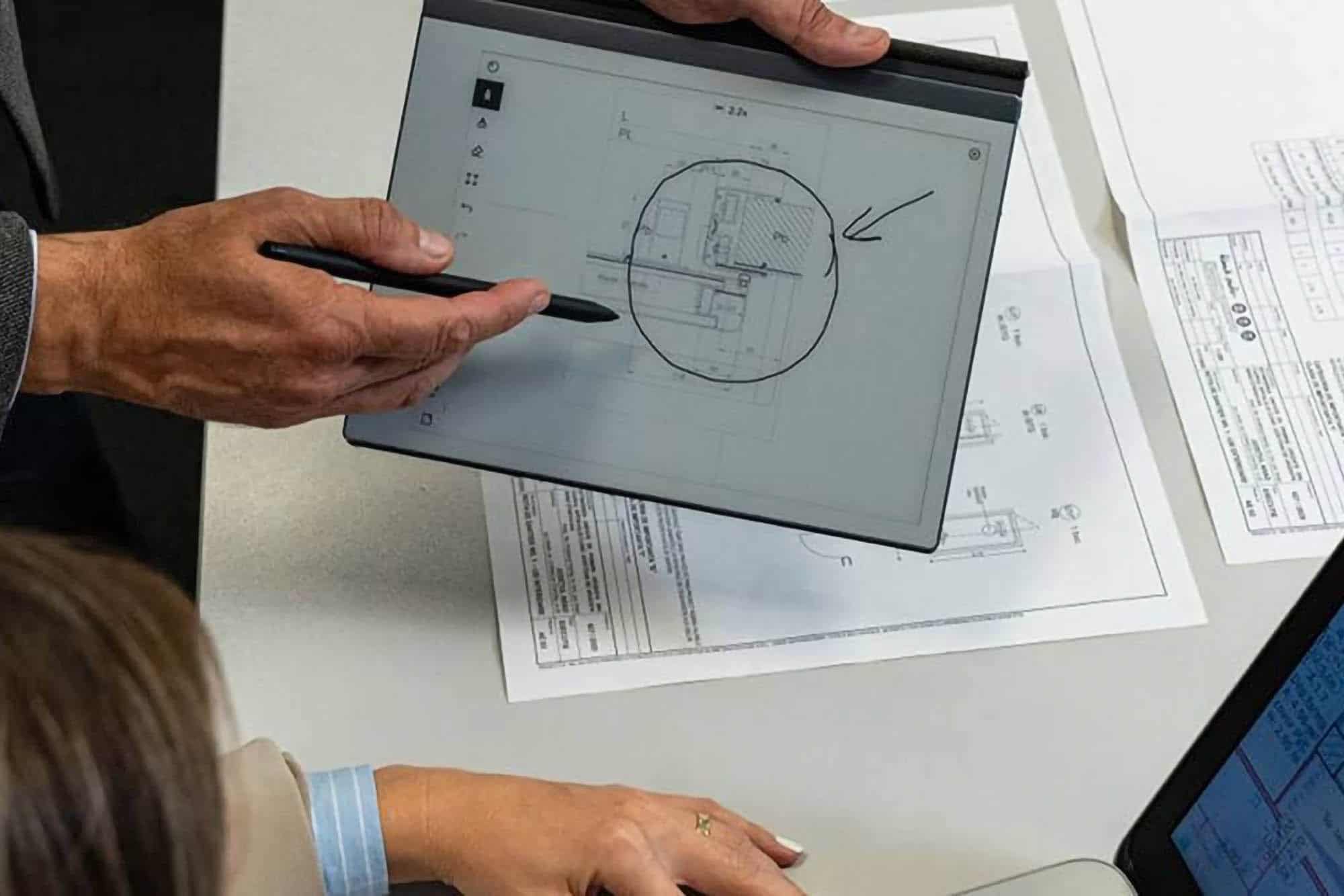
Technician analyzing technical plans on a tablet for maintenance.

Maintenance subscriptions

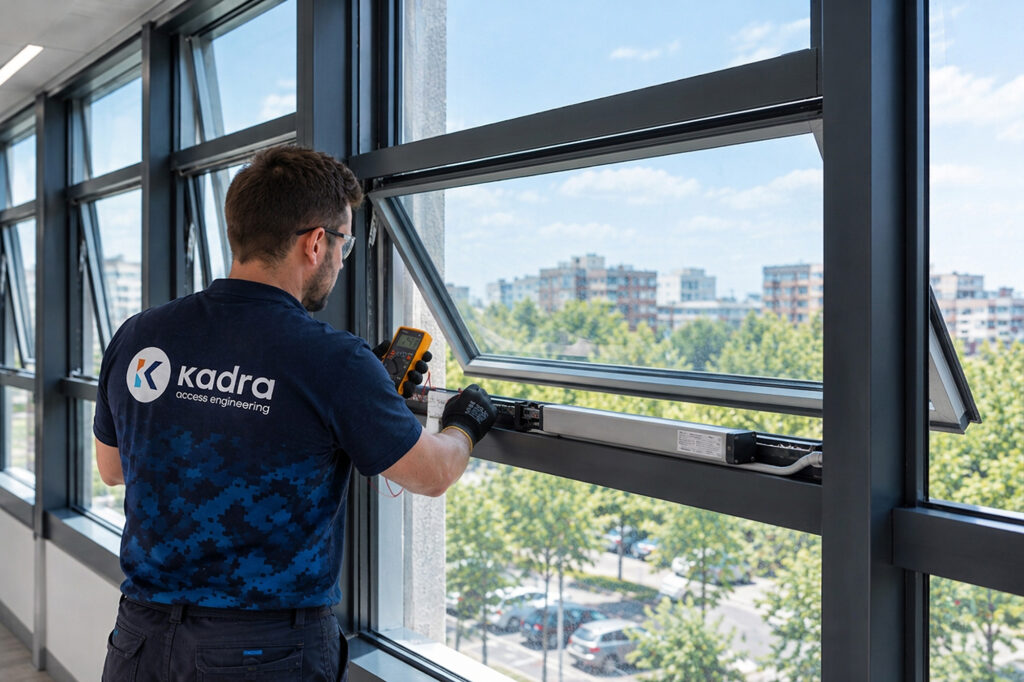
We schedule inspections based on the model, manufacturer’s instructions, and operating conditions. Checks may include mechanical inspections, adjustments, and testing of controls and backup power.

The CARE, PLUS, and TOTAL plans include one, two, or four annual inspections. The schedule is set based on the equipment and the building’s requirements.

Smoke vents, KADRA, smoke extraction

Rapid
interventions

We handle requests for stuck vents, control panels signaling faults, or abnormal operation. We prioritize interventions based on urgency, impact on safety, and contractual conditions.

When contacting us, it helps to provide the address, equipment model, description of the issue, and photos of the vent or the control panel’s indicators.

Smoke vents – technical overview

Repairs and spare parts

After diagnosis, we determine which components need adjustment, repair, or replacement: actuators, opening mechanisms, control panel components, or batteries, depending on the model.

Parts are selected based on the assembly’s documentation and compatibility with the existing model. Their availability affects the repair timeline.

Types of smoke vents serviced

We evaluate service requests for:

KADRA installs 46 electric smoke vents for the new Solina hall in Alba Iulia3

Electric smoke vents

With actuators and control panels

Fire protection, smoke extraction, evacuation, KADRA, smoke hatches

Pneumatic smoke vents

With the actuation devices specific to the system

Electric smoke extraction vents for stairwells

Smoke vents for stairwells

Integrated into the building’s smoke extraction solution

Smoke extraction for production and storage halls

Roof vents for industrial halls and warehouses

Used for the natural exhaust of smoke and heat.

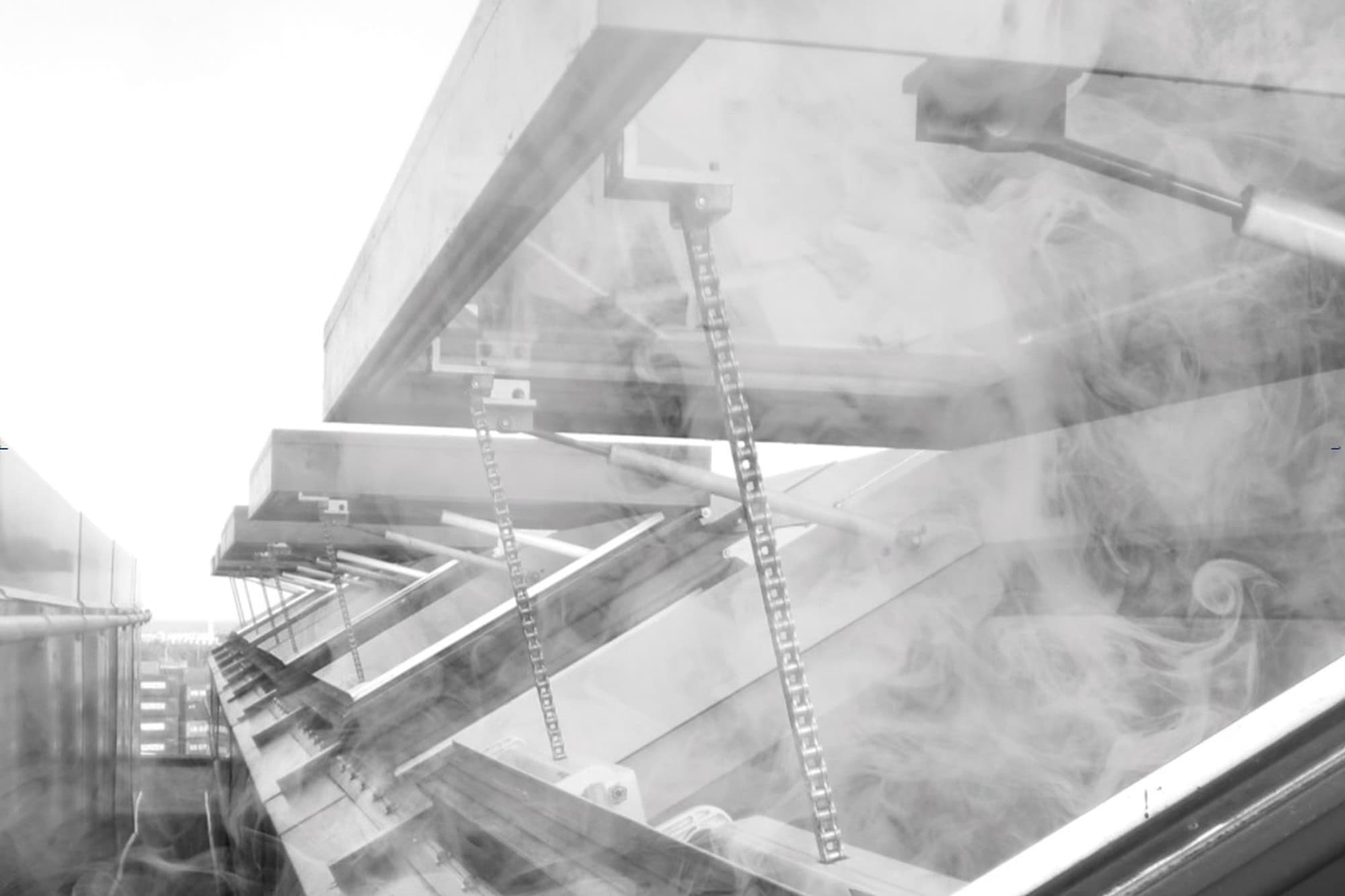
Smoke extraction system with glass roof and ventilation mechanism.

Vents with an additional ventilation function

When this use is specified by the manufacturer

For each request, we check the model, available documentation, and possible courses of action.

Why KADRA

30+ years of experience

Over 30 years of experience, from designing and integrating access systems to installation and service, providing recommendations tailored to the equipment and its use.

National coverage

Nationwide coverage, for managing maintenance services across multiple locations with a single partner.

Multi-brand service

Multi-brand expertise, including for equipment installed by other suppliers, for simpler management of a portfolio with different door types.

In-house teams, not subcontractors

In-house teams of technicians and local parts stock, for diagnosis and interventions under the conditions set for the equipment, location, and contract.

Complete reporting after every intervention

Technical reports and documented recommendations, for prioritizing work and planning the maintenance budget.

The strength of a group — part of EMI Group

Part of EMI Group, with international activity in the access systems field.

How our process works

A simple and transparent process, from first contact to completion of the intervention. You know exactly what’s coming next, who’s in charge, and what you’re getting — no ambiguities, no hidden costs.

Contact

You send us the location, equipment type, and the issue observed. For multiple buildings, we can discuss inspection and maintenance needs for the entire portfolio.

Step 1
On-site assessment

Technicians inspect the equipment and determine the cause of the fault. Tests are organized together with the technical manager, taking into account the connected systems and the building's activity.


Step 2
Detailed offer

You receive the work proposal, the necessary components, and the service conditions. The recommendations allow you to prioritize repairs.

Step 3
Execution and report

Once the work is approved, we carry out the intervention and the related checks. The report records the operations performed and any additional measures recommended.

Step 4

Standards and compliance

Inspections and interventions take into account the manufacturer’s instructions and the system’s documentation.

SR EN 12101-2

This is the European standard adopted in Romania for the requirements and testing of natural smoke and heat exhaust ventilators.

P118

Sets national fire safety requirements for buildings, under the conditions applicable to the building

Trust built in the field

Our results are visible in every intervention and in long-term customer relationships. Work volumes, response times and direct feedback from the field reflect the real level of KADRA Service.

+3.500

locations serviced nationwide

10

years of average experience in the KADRA Service team

+20.000

hours of interventions in the last 12 months

+ 3000

pieces of equipment active in maintenance and service

References

KADRA’s experience in installing and integrating pedestrian speed gates can be seen in projects such as

Resources on speed gates and maintenance

Articles and case studies to help you make the right decision for maintaining your speed gates.

Frequently asked questions

The frequency is determined based on the manufacturer’s instructions, the system’s configuration, and the applicable building requirements. The maintenance plan must include inspections and functional tests, even if the vent hasn’t been used recently.

Yes. Periods of non-use don’t confirm the condition of the mechanisms, controls, or backup power supply. Periodic checks help identify issues that aren’t visible during normal operation.

Depending on the model and the agreed-upon work, it may include diagnosing fault indicators, checking the power supply and batteries, the connections, and the commands to the actuators. Tests are performed according to the control panel’s documentation and the system’s configuration.

Only if the equipment is designed and configured for this use. The ventilation function must be verified in the manufacturer’s documentation. A vent intended solely for smoke extraction should not automatically be used as a daily ventilation device.

Behavior depends on the system’s configuration. Electrical systems may have backup power through batteries, which require periodic checks. The presence of batteries doesn’t automatically confirm their ability to power the equipment under the specified conditions.

Checking the interface may be part of the agreed-upon work, depending on the configuration. Tests are coordinated with the building manager and, when necessary, with the company that maintains the detection and alarm system.

Yes, you can request an evaluation of existing equipment. The possibility of servicing and replacing components is determined after identifying the model, reviewing the documentation, and checking the availability of compatible parts.

The cost depends on the number and type of vents, access to the equipment, control configuration, identified faults, and required parts. For an estimate, the location, models, and a description of the request are helpful; the work is determined after the assessment.

Contact us

Do you have smoke vents that need attention?

A vent that doesn’t respond to testing, a damaged mechanism, or a control panel indicating a fault requires technical assessment. KADRA helps you determine the necessary work and organize equipment maintenance. Fill in the form or call us and we’ll direct you to the appropriate national office.

For a single building or a portfolio of locations, we discuss service needs and plan interventions nationwide.

KADRA, technical audit (2)
Smoke vents for industrial halls – Decitex Hall

Didn't find what you were looking for? Search below!

Navigate
Quickly