Bogdan Rusu Takes on the Role of KADRA CEO
“I want to bring the client’s perspective to the company”
With solid experience in management, technical operations, construction, and maintenance, Bogdan Rusu joins KADRA at an important moment of transformation and development. His priorities: trust, predictability, respect for one’s word, and strengthening client relationships.
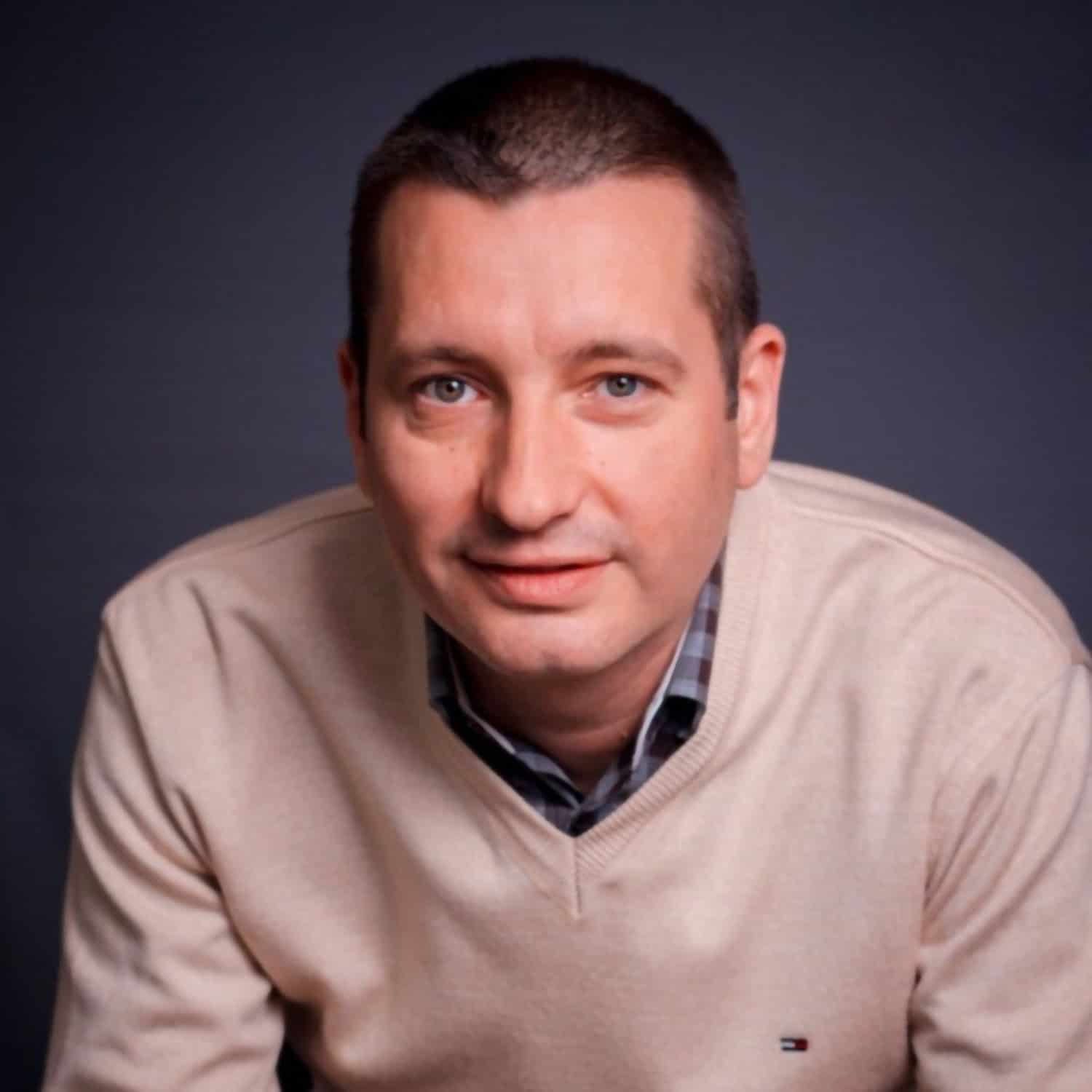
KADRA enters a new stage of development with Bogdan Rusu taking on the role of CEO. With over two decades of management experience and a professional background built in technical operations, construction, maintenance, and managing relationships with major clients, Bogdan brings an essential perspective to the company: that of the client.
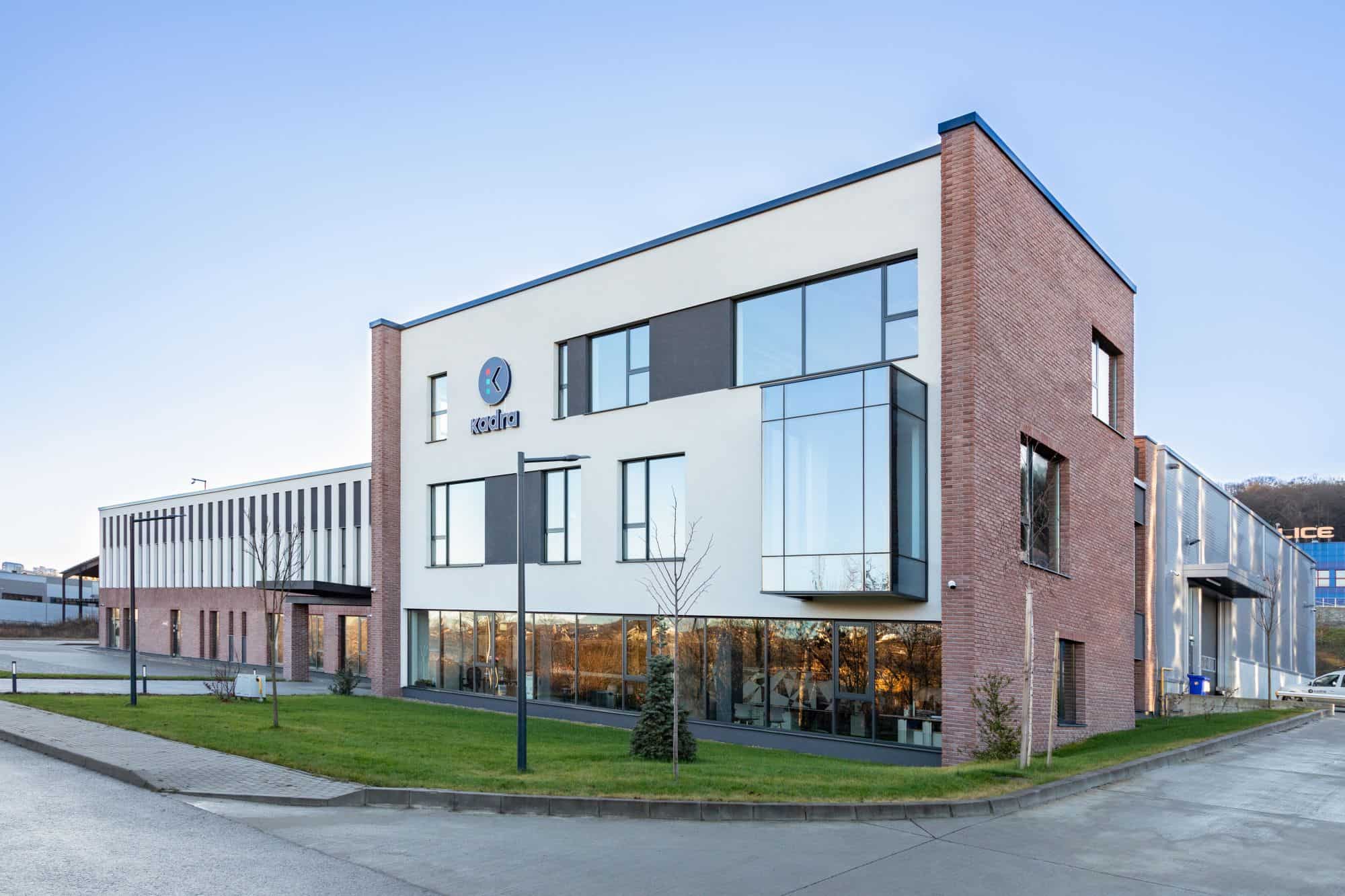
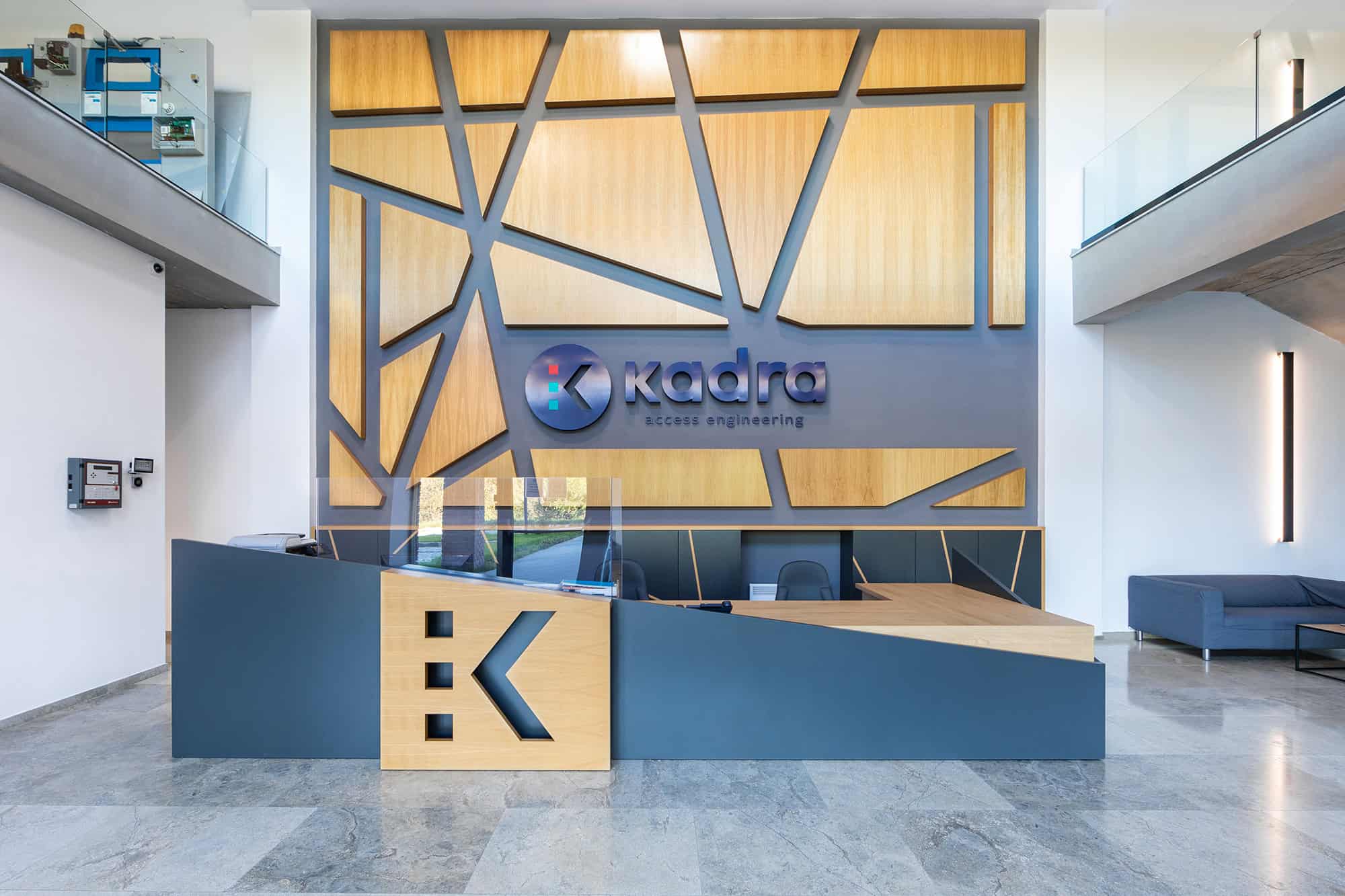
For KADRA, this appointment comes at a time when the company is consolidating its strategic growth directions, with an emphasis on developing the service and maintenance area, strengthening relationships with construction partners and end-users, and continuing its mission to enhance freedom of movement through integrated access solutions.
We spoke with Bogdan Rusu about his new role, client relationships, and the direction he envisions for KADRA’s development in the coming years.
What convinced you to take this step and join the KADRA team?
Bogdan Rusu: First and foremost, the opportunity to enter a new professional stage. My career has been built around new challenges, in the good sense of the word: construction, change, development—things that compel you to learn and see reality from different angles.
After 26 years in management, I feel this role is a natural step. It’s an opportunity to do something new, to contribute to the development of an experienced company that is currently in a very interesting phase of evolution.
As you begin, what do you aim to understand best about KADRA?
B.R.: There are three essential things I want to understand very well: the company’s spirit, its processes, and how KADRA envisions its development over the next three years.
Before accelerating any strategic direction, it’s important to understand the people, the culture, how work is done, and what energy already exists within the organization. Only then can you build a healthy future.
You’ve spent many years in operations, construction, and maintenance. What do you believe you bring to KADRA from this experience?
B.R.: I think the most important thing is that I come from the other side of the fence. I was a client. I know what clients want and I know very well what they expect from a technical partner.
There’s a lot of talk about client care, but I was trained for many years to think from the client’s perspective. I hope to bring this perspective to KADRA naturally. To ask the questions a client would ask. To see things through their eyes.
How has your experience in organizations with complex operations and high standards influenced your leadership style?
B.R.: I believe I was greatly shaped by the freedom I had to make decisions within a clear framework. I always had a well-defined framework, but within it, I could build, adjust, explore, and choose the path together with my teams.
For me, leadership means giving people a direction they understand and can share. You can’t impose a direction overnight and expect everyone to automatically align. People need to understand, believe in the direction, and feel they have the leader’s support.
Service and maintenance are important directions for KADRA. Why do you think they will matter more and more in the coming years?
B.R.: From an economic perspective, maintenance means recurrence. It means stable, predictable revenue that doesn’t exclusively depend on new projects, construction delays, postponed invoicing, or unforeseen situations.
But maintenance is not just economically important. It is also one of the best ambassadors for new projects and new clients. Through maintenance, you can gain access to clients for whom you didn’t initially deliver systems. If that client sees that you solve their problem on time, without needing dozens of phone calls, you’ve already started building a relationship.
And if you’ve built a relationship and the client gains trust, new opportunities can arise from there.
Many clients still view maintenance as a cost. How can this perspective be changed?
B.R.: I believe the market has matured significantly over the last 20 years and will continue to do so. More and more clients are beginning to understand the logic of the medium and long term, the total cost of ownership, and the importance of operational continuity.
Maintenance is sometimes seen as a cost that can be cut. But after a few years, when you draw the line, you see what actually happened and what the real cost of a lack of maintenance would have been.
It’s the same principle as with a car. When you buy a car, you naturally accept that you need to perform inspections, change the oil, and follow a maintenance schedule. Why shouldn’t we view access systems, automatic doors, installations, or equipment that support a building’s operation in the same way?
For clients who think medium and long term, maintenance becomes a very important investment.
KADRA works with general contractors, builders, building managers, and end-users. What do these clients appreciate in a technical partner?
B.R.: Predictability. I believe that, in general, people appreciate predictability. In a client-supplier relationship, predictability means honoring one’s word and adhering to the agreed plan.
Trust comes from professionalism. If there is trust, a large part of the client relationship is already built. Of course, the financial component remains, which is important, but when the value is well explained, the difference is not made solely by price.
How is a client’s trust earned in a complex project?
B.R.: Trust is not built by saying “yes” to everything. It is built through a healthy partnership, where you stand by the client through all important stages: design, quotation, contracting, construction site, installation, handover, and subsequent maintenance.
On the construction site, for example, dialogue is essential. If we have a plan, we stick to it. If there’s a problem, we communicate it. If we need something from the client, we state clearly what it is and why. It’s important to communicate both the good and the difficult things.
The client must feel secure. They need to know they have a partner who cares for them.
What message do you have for the KADRA team at the beginning of this new chapter?
B.R.: I want us to build a common direction that is understood and shared. KADRA is a company with a significant history in the Romanian market, and in recent years, it has made relevant strides in its development.
For me, respect is essential: respect among colleagues, respect between departments, and respect for our clients. Equally important is keeping one’s word: to clients, to management, to shareholders, and to colleagues.
We will need courage, responsibility, and discipline. Simple but very important things that I consider common sense. Trust is built from these.
And for KADRA’s clients?
B.R.: Simple: KADRA takes care of them.
This is the promise we must uphold through every project, every intervention, every conversation, and every commitment honored.
Didn't find what you were looking for? Search below!